
Borosilicate glass for heating plastisol
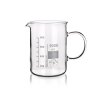
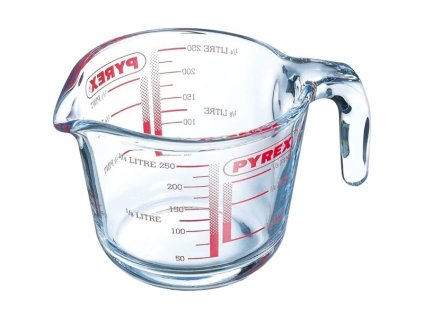
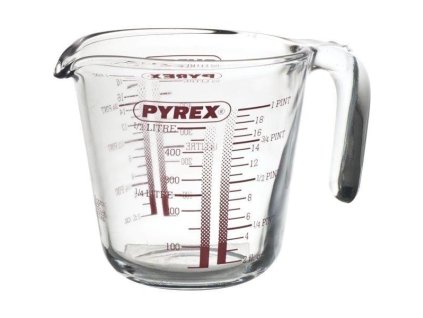
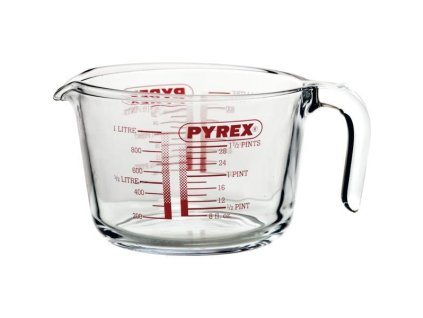
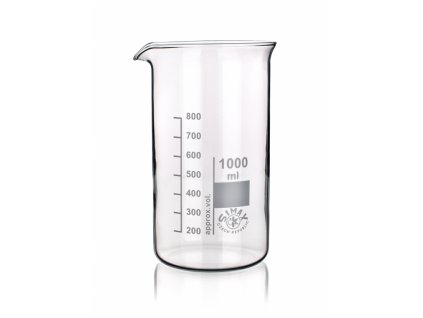
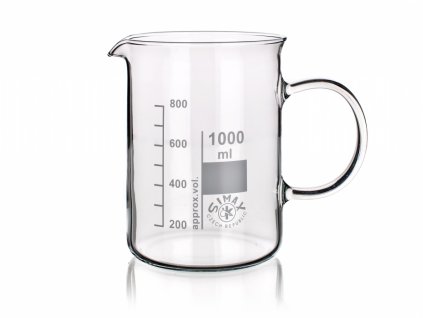
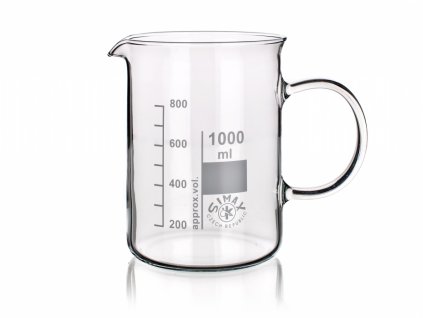
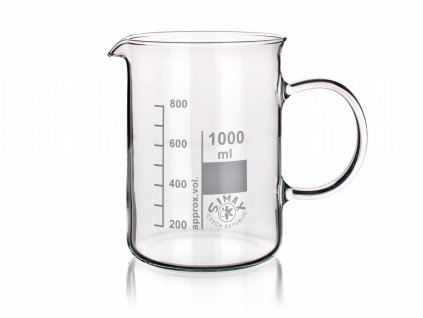
Borosilicate glass is the workshop essential for heating plastisol and especially for soft bait lamination. Pyrex measuring jugs are rated from -40 to +300 °C and handle thermal shock up to 220 °C, which gives you a much safer, calmer workflow with hot material.




Product sorting
Brands
List of products


Listing controls
Once you start making lures, you quickly learn one thing: with plastisol, the “random cup” approach usually ends badly. Borosilicate (Pyrex) glassware is built for heat, easy handling, clean pouring, and repeatable results.
Why borosilicate belongs in your lure-making workshop
→ Pyrex jugs are rated from -40 to +300 °C and can handle thermal shock up to 220 °C (that’s the number that usually makes people stop and go, “ok, that’s serious”).
→ Stable glass, clear measuring marks, easy cleaning, and a much more controlled process when heating plastisol.
Soft bait lamination, where the 3D finish happens
Lamination is a clear surface layer made by dipping a finished lure body (with glued eyes) into hot plastisol for a moment, then letting it drip off. The result is a clean, glossy coat that adds depth and a true 3D look, the same style of finish you can see on our ready-made soft baits.
To make the coat clean and consistent, a drip rack / stand is the simplest upgrade:
→ Hang the lure by the tail, let the excess plastisol drip, after cooling trim the drip, and you keep a smooth clear coat.
Choose your jug size (real-life use)
→ 250 ml: lamination for soft baits up to 10 cm, testing, colors and additives
→ 500 ml: everyday work + lamination (most universal, more comfort when dipping) up to 16 cm
→ 1000 ml: larger batches, multiple molds, longer heat retention, and reserve even for lamination up to 25 cm
Quick care tips
→ Heat gradually, avoid rushing straight to max temperature
→ Never place hot glass on a cold metal surface or rinse it with cold water
→ If the glass is chipped or heavily scratched, keep it for lighter-duty use