
Fly rods
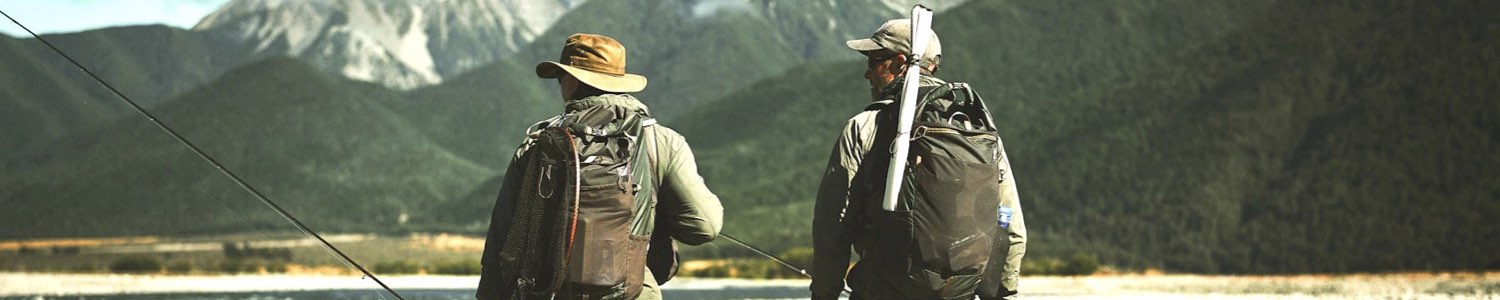
Fly rods should be chosen by water, target species, fly line, rod length, action and casting style. At SAF, the category is built as a practical selection guide from single hand trout and nymph rods to switch, double hand, coastal and saltwater fly rods for both cold and tropical conditions.




Product sorting
Brands
List of products




Fly rods are not just different lengths and line weights in a catalogue. The right rod depends on the water, target species, fly line, casting style and the way you actually fish. A delicate trout stream, a European nymphing setup, a salmon river, a windy Scandinavian coast and a tropical flat all ask for a different tool.
This is why the SAF fly rod category is built as a decision hub, not only as a product list. Before choosing a specific model, it makes sense to understand the difference between single hand fly rods, switch rods, double hand fly rods, saltwater fly rods and complete fly fishing kits. Each of these categories has a different role in real fishing.
Single hand fly rods are the foundation of most trout, grayling, dry fly, nymphing, streamer and stillwater fishing. Lighter line weights are ideal for fine presentation and smaller waters, medium weights cover a wide range of trout fishing, and stronger single hand rods move into streamers, predators, sea trout, coastal fishing and travel use. A single hand rod is not only a trout rod – in the right line weight, it can become a very versatile tool.
Switch rods sit between single hand and double hand fishing. They are not just longer one-handed rods. A switch rod gives more reach, better line control and the option to use both overhead and spey-style casts. This makes sense on medium rivers, for sea trout, light salmon fishing, larger trout, steelhead-style situations, heavier flies, sink tips and places where there is limited room behind the angler.
Double hand fly rods are a major part of salmon and Scandinavian fly fishing. They are built for Spey, Scandi and Skagit systems, shooting heads, longer casts, larger rivers, wind, current and long sessions on the water. A double hand rod is not only about distance. It helps transfer power efficiently, control the line and reduce fatigue when fishing heavy lines, sink tips or larger flies for salmon, sea trout and other migratory fish.
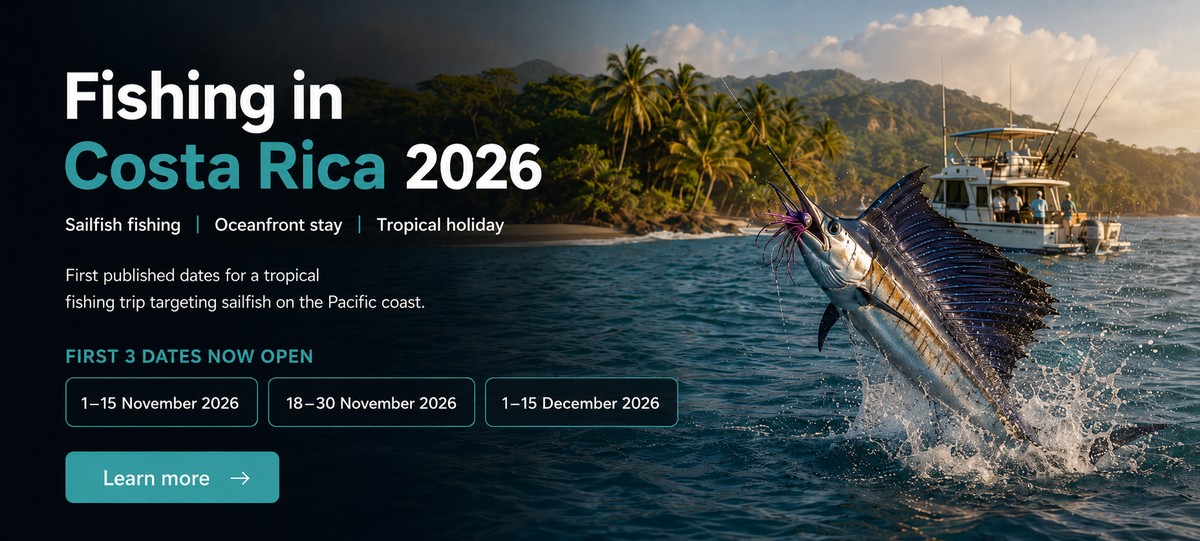
Saltwater fly rods deserve their own place in the fly rod system. Cold saltwater fishing on the Scandinavian coast, in Norway, Denmark or the Baltic is very different from tropical saltwater fishing for bonefish, permit, tarpon, GT or barracuda. Cold saltwater rods need wind performance, line control, durability and reliable casting with streamers, coastal lines and intermediate presentations. Tropical saltwater rods are built around fast shots, powerful fish, larger flies, travel use and demanding flats or bluewater conditions.
This split between cold saltwater and tropical saltwater is important. A sea trout rod for the Danish or Norwegian coast is not the same problem as a rod for tarpon, permit or GT. Coastal sea trout, pollack, mackerel, sea bass or pike in brackish water demand a different balance of power, recovery and presentation than tropical flats fishing, where speed, accuracy, backing capacity and travel reliability become critical.
Fly fishing kits are a practical option for anglers who want a matched rod, reel and line without the risk of choosing the wrong combination. A good kit makes sense for a first serious setup, for beginners, for travel use or for anglers who want a fast and safe route into a specific style of fishing. The important point is that the kit must match the intended use – trout, nymphing, salmon, coastal fishing or travel.
The current Scandinavian technical backbone of our fly rod range is Guideline. Guideline makes sense for SAF because it covers the full fly rod spectrum: trout and nymph rods, coastal and travel rods, switch rods, double hand salmon rods and complete kits. At the same time, this category is not limited to one brand. The goal is to build the fly rod selection by real function, not by catalogue noise.
Line weight, rod length and rod action are the key starting points. Line weight decides how the rod loads and what type of fly, line and fishing situation it can handle. Rod length affects reach, mending, drift control, line handling and fatigue. Rod action influences casting rhythm, accuracy, forgiveness, presentation and how well the rod matches a specific fly line. For this reason, a fly rod should always be chosen together with the line and the fishing style.
SAF selects fly rods by real use, not only by technical tables. Years of fishing between Czechia and Norway, together with experience from northern rivers, coastal water and demanding travel destinations, help us understand the difference between a fine trout rod, a nymph rod, a streamer rod, a switch rod, a double hand salmon rod and a saltwater travel rod. You can read more about the story behind SAF on our About Us page.
• Single Hand Fly Rods • Switch Rods • Double Hand Fly Rods • Saltwater Fly Rods • Fly Fishing Kits
Frequently Asked Questions – fly rods
How do I choose a fly rod?
Choose a fly rod by water, target species, line weight, rod length, action and casting style. A trout stream, nymphing setup, salmon river, coastal shore and tropical flat all require different rod characteristics. Once the use case is clear, choosing the right model becomes much easier.
What is the difference between single hand, switch and double hand fly rods?
Single hand rods are used for most trout, grayling, nymphing, dry fly, streamer and stillwater fishing. Switch rods bridge one-handed and two-handed techniques. Double hand rods are designed mainly for salmon, sea trout, Spey, Scandi, Skagit systems and larger rivers where line control and efficient power transfer matter.
When should I choose a switch rod?
A switch rod makes sense on medium rivers, for light salmon or sea trout fishing, larger trout, heavier flies, sink tips and places with limited backcast room. It is a practical middle ground when you want more reach and casting versatility than a standard single hand rod, but do not need a full double hand setup.
When does a double hand fly rod make sense?
A double hand rod makes sense for salmon, sea trout, large rivers, Scandi, Spey and Skagit casting, shooting heads, wind, current and long fishing sessions. It helps with line control, longer casts, heavier lines and reduced fatigue during repeated casting.
What is the difference between cold saltwater and tropical saltwater fly rods?
Cold saltwater rods are usually built for coastal sea trout, Scandinavian shore fishing, wind, streamers, intermediate lines and long days in rougher conditions. Tropical saltwater rods are designed for species such as bonefish, permit, tarpon, GT, barracuda and jacks, where fast shots, powerful fish, larger flies and travel durability are important.
What fly rod line weight do I need?
Line weight depends on the species, fly size, water type and casting conditions. Lighter rods suit fine trout and grayling fishing, medium weights cover many trout and streamer situations, while stronger rods are used for sea trout, salmon, predators, coastal fishing and saltwater travel.
Why must a fly rod match the fly line?
The fly line loads the rod and controls how the setup casts. If the line does not match the rod weight, action and fishing style, the setup can feel heavy, underloaded or inaccurate. A correctly matched rod and line make casting easier, more consistent and more efficient.
Is a fly fishing kit a good choice?
Yes, if you want a matched rod, reel and line without building the setup from separate parts. A good fly fishing kit is a useful option for beginners, first serious purchases, travel fishing or anglers who want a quick and reliable setup for a specific technique.
Can SAF help me choose the right fly rod and line?
Yes. If you are not sure which fly rod, line or complete setup to choose, contact us. We can help you select the right rod according to water, technique, target species and real use on the water.