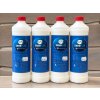
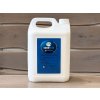
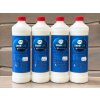
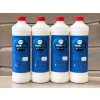
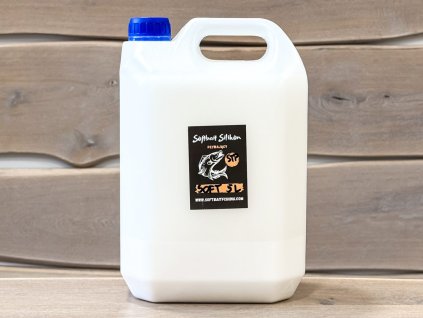
Plastisol – liquid PVC for soft bait making
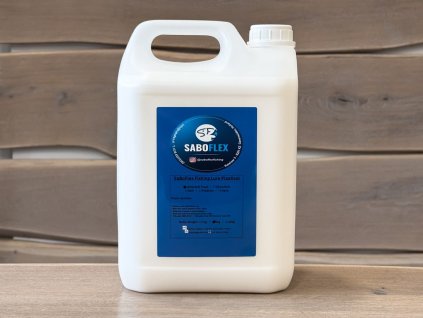
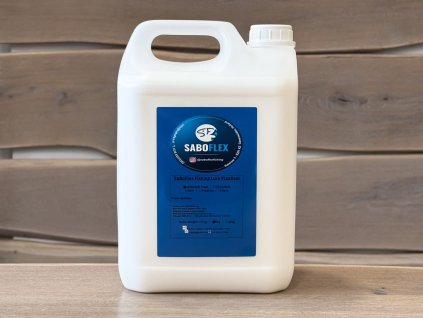
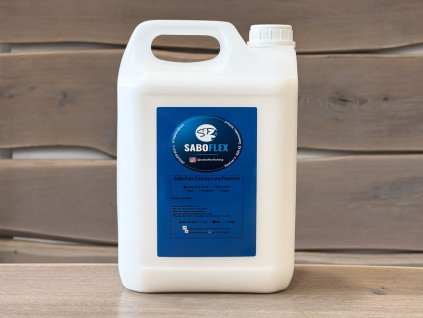
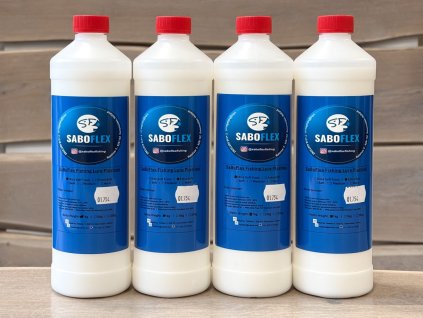
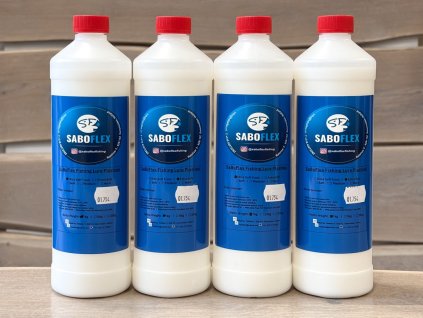
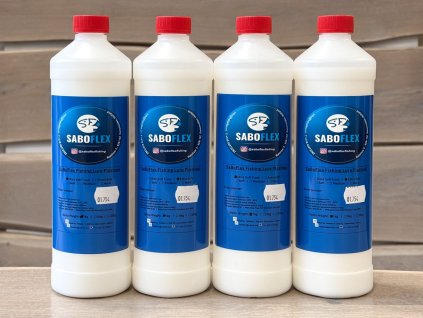
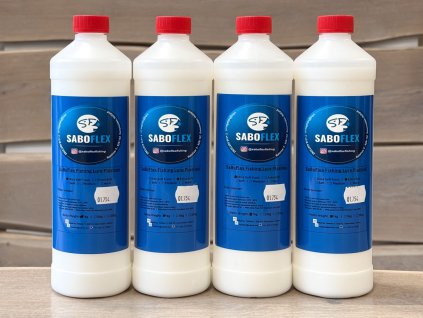
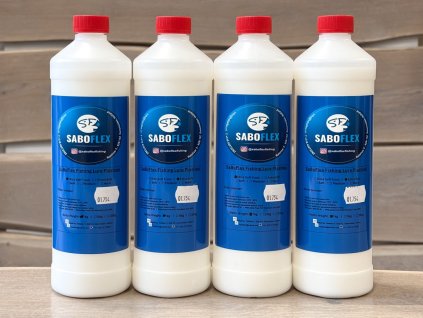
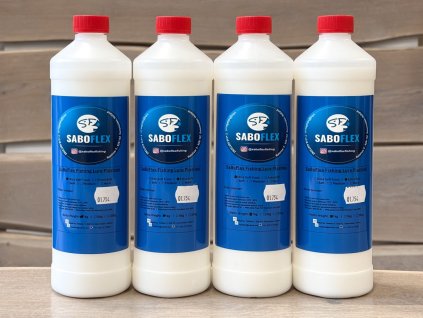
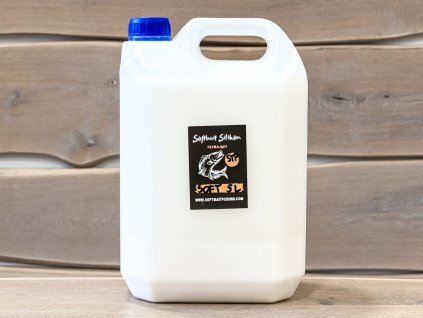
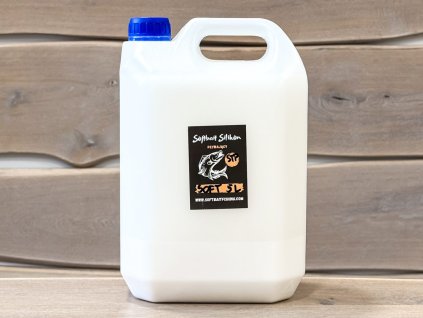
In our plastisol category you’ll find liquid PVC (plastisol) for soft bait making – from small trout baits to larger lures for strong current and sea fishing. At SAFrybolov we stock two proven European top choices: SaboFlex plastisol and Softbaitfishing plastisol. Each has a slightly different feel in use, but the goal is the same: clarity, stable processing, and consistent results in your molds.
Why we stock two top plastisols in Europe
We don’t position one material “against” the other. In real workshop use, both perform at a very high level — they simply suit different preferences and workflows. That’s why you can choose between SaboFlex and Softbaitfishing and pick what fits your production style.
Fresh batches matter
With plastisol, one rule always applies: the fresher the plastisol, the more predictable the heating, clarity, and final bait quality. That’s why we keep good stock rotation and bring in fresh batches for reliable workshop performance.
Fast shipping across Europe
We ship orders from the Czech Republic and deliver quickly across the EU, so you can keep your softbait production running without unnecessary delays.
How to choose hardness (quick guide)
We offer multiple plastisol hardness levels – from very soft blends for small baits to firmer options for larger lures:
→ small baits / sensitive action: XTRA SOFT / SUPER SOFT
→ the most versatile all-round option: SOFT
→ larger baits / stronger body structure: MEDIUM
→ used mainly for blending as a hardener: HARD
A big advantage is being able to fine-tune your own “in-between” blend by mixing hardness levels (for example SOFT + MEDIUM for current/sea fishing, or MEDIUM + HARD for an even tougher body).
Workshop tip: heating and coloring (clean and consistent)
Heat plastisol gradually and evenly — the goal is a fully liquid, lump-free mix without local “hot spots”. One practical rule that saves time:
→ add colors and glitters only at the end – into fully heated plastisol, then mix just enough for even dispersion.
Workshop tip: curing (shape memory)
After casting, it’s worth letting baits cure overnight in a straight, unbent position to build proper “shape memory”. Common workshop methods:
→ lay baits on a flat surface
→ or cure them in water (baits float and don’t press into each other), just make sure they don’t bend against the container edge or water surface.
Safety
Plastisol work involves high temperatures and fumes. Ventilate well, use gloves and protective gear, and treat it as a workshop process — not kitchen work.
FAQ – Plastisol (most common questions)
1) What is plastisol and what is it used for?
Plastisol is a liquid material used for making soft baits. When heated, it gels, turns clear, and once poured into a mold it becomes a finished soft bait. It works for everything from small “trout” baits to large lures for strong current and sea fishing.
2) What’s the difference between SaBoFlex and Softbaitfishing Cristallo STP?
Both are proven European formulas, each with a slightly different “workshop feel”. In practice, choose the one that suits you best in heating behavior, clarity and the final bait action. If you’re unsure, start with an all-rounder (SOFT) and fine-tune hardness later based on your bait style.
3) Should I buy 1 kg or 5 kg?
5 kg is typically better value for customers (lower price per kg). 1 kg is perfect for testing blends, colors, glitters, or when you want to mix multiple hardness levels without storing a large amount at home.
4) How do I choose plastisol hardness (quick guide)?
→ small baits / ultra sensitive action: ULTRA SOFT TROUT / XTRA SOFT / SUPER SOFT
→ all-round option for common sizes: SOFT
→ larger baits / firmer body: MEDIUM
→ for blending as a stiffener when you want a much firmer body: HARD
5) Can I mix hardness levels?
Yes – mixing hardness levels is common practice. It lets you create your own “in-between” blend (e.g., SOFT + MEDIUM for a tougher bait in current).
→ start with a 50/50 ratio and fine-tune based on bait behavior (tail action, body flexibility, durability).
6) How should I heat plastisol in a microwave?
The most practical option is a stationary microwave (no turntable). It usually has more usable space and fits a taller glass, which is essential for laminating longer baits (up to approx. 25 cm).
Workflow:
→ pour plastisol into a taller glass/measuring cup (leave headroom to prevent overflow)
→ heat in short intervals and stir each time
→ once it starts turning clear, shorten intervals and monitor temperature
→ add pigments and glitters only into the fully heated mix (at the end)
7) What temperatures should I watch (when is it “just right”)?
The goal is a mix that is clear and fully liquid, without local “hot spots”.
→ as a guideline, final working temperature is around 170–180 °C
→ if the mix is still milky/gel-like and not clear, it’s typically lower (not fully processed yet)
→ overheating shows up as reduced clarity, yellowing and unnecessarily harsh fumes — reduce heat and work more gently
8) When should I add colors and glitter?
→ add colors and glitters only at the end – into fully heated plastisol
→ stir only as much as needed for even dispersion (over-mixing creates bubbles)
9) Why do I get bubbles and how can I prevent them?
Most common causes are aggressive stirring, moisture in the mold, or heating too fast.
→ stir slowly and consistently (don’t “whip” it)
→ keep the mold clean and dry (moisture = bubbles)
→ heat in smaller steps and stir regularly to avoid local overheating
10) How should I store plastisol and how do I know it’s “old”?
→ store in a tightly closed container, in a dry place, away from direct sunlight
→ minimum storage temperature: 15 °C (cold temps thicken plastisol and make it harder to work with)
→ before use, it’s normal to shake/stir (some components may settle over time)
→ if plastisol thickens suspiciously, yellows heavily, or behaves unusually during heating, test a small batch first
11) What basic equipment do I need to make soft baits?
→ microwave (ideally stationary) + a taller glass/measuring cup
→ stirrer, molds, and a flat area/stand for overnight curing
→ thermometer (ideally a probe) – saves material and time
→ protective gear (gloves, ventilation, respiratory protection as needed)
12) Respiratory protection – what do you recommend in the workshop?
You already have a safety section in the category, but if you want maximum protection (especially for longer sessions), a full-face mask with suitable filters makes sense.
→ Mask: 3M 6800
→ Filters: 3M ABEK1