
Rigs & weights
Sea fishing rigs for Norway and other saltwater fishing in one place. Squid rigs, mackerel feathers, octopus rigs, bait fishing setups, sinkers and booms clearly organised by use and fishing style.




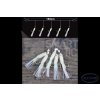
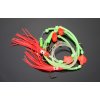
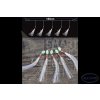
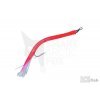
Product sorting
Brands
List of products


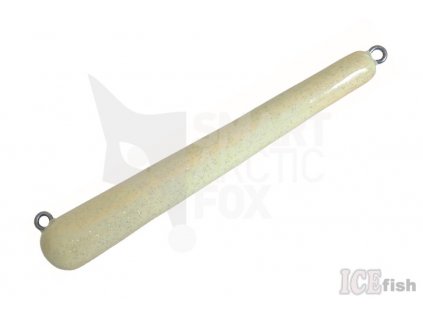
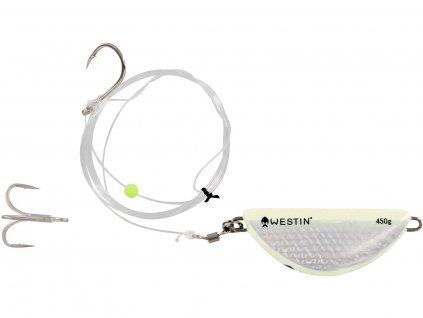

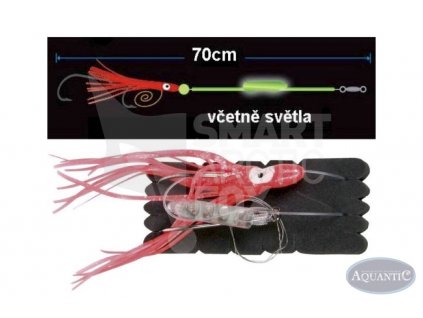
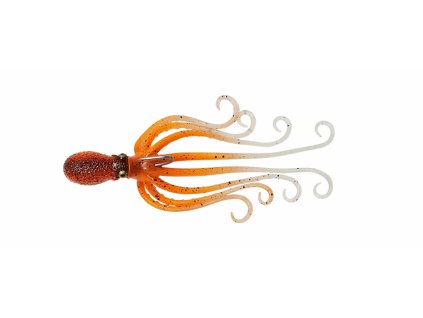

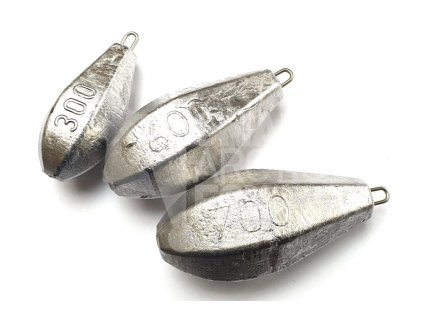

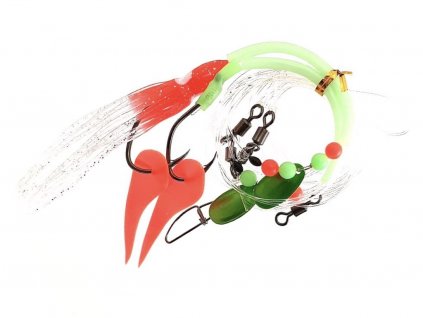
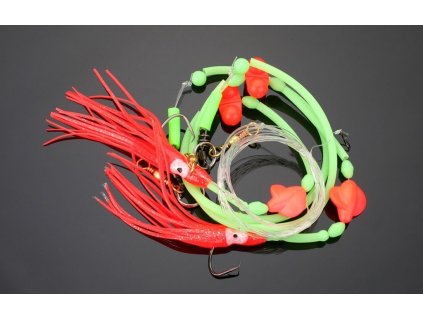
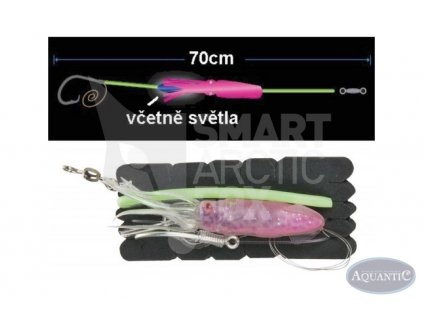
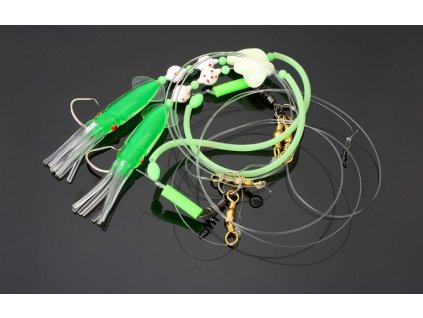
Sea fishing rigs are part of the basic gear for fishing in Norway and other saltwater destinations. The right rig helps you match your setup to the depth, drift, fishing style and target species. One system makes sense for mackerel, another for cod, redfish, ling or for targeting bigger fish in the water column and close to the bottom.
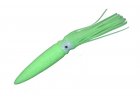
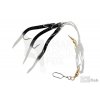
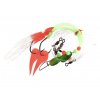
In this category you will find sea fishing rigs for both common and more specific situations on the water. This includes classic squid rigs, mackerel feathers, octopus rigs, bait fishing setups and other saltwater rig systems depending on the technique and intended use. The advantage of this category is a clearer overview and easier selection, especially when building gear for Norway and looking for a setup that makes practical sense in real fishing conditions.
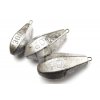
With sea fishing rigs, it is not only about the rig itself. In practice, they are closely connected with sinkers and booms, because these often form the lower and supporting part of the complete setup. A rig does not work as a separate item, but as part of a full system that has to match the depth, current and target species. That is exactly why it makes sense to choose rigs in the wider context of the whole saltwater setup, not as isolated products.
When choosing, we recommend focusing mainly on what species you want to target and how you want to fish. Active fishing for schooling species requires a different approach than heavier bottom fishing or more targeted use in greater depths. The type of bait, hook size, overall strength of the setup and the specific fishing conditions all play an important role in choosing the right rig.
At SAF fishing, we select the range so it makes sense for Norwegian fjords, more open sea conditions and standard trips for cod, mackerel and other saltwater species. The goal is not only to offer individual products, but to help build a setup that works as a complete system. That is why we recommend choosing sea fishing rigs in the context of related saltwater gear and according to real use on the water, not only by product name.
FAQ – sea fishing rigs
Which sea fishing rig should I choose for Norway?
It mainly depends on the target species, depth, drift and fishing style. One setup works better for mackerel and other schooling fish, while another makes more sense for cod, redfish, ling or bait fishing close to the bottom. It is always best to choose the rig according to the actual fishing conditions, not only by its name.
What is the difference between squid rigs, mackerel feathers and bait fishing rigs?
Squid rigs and mackerel feathers are mainly used for active fishing and schooling species. Bait fishing rigs make more sense when you want to present a natural bait and fish more selectively close to the bottom or at a specific depth. Each type of rig has its own use depending on the technique and target fish.
Why are sinkers and booms included in this category?
Because they are directly connected to sea fishing rigs and in practice form part of the complete setup. A sinker or boom often creates the lower and supporting section of the rig system. In saltwater fishing, it therefore makes sense to keep these elements together in one category, because they work hand in hand on the water.
What species are sea fishing rigs suitable for?
Depending on the type of setup, they can be used for mackerel, cod, redfish, ling and other saltwater species. It always depends on the exact rig, the bait used and the way it is presented. The right rig should match both the target species and the conditions you will be fishing in.
What should I focus on when choosing a sea fishing rig?
The key factors are the target species, fishing depth, drift, bait type, hook size and the overall strength of the setup. A simple universal rig can work well in many situations, but more specific conditions often require a more specialised system. The best choice is the one that fits your real fishing plan and not just the product label.