
Deep sea fishing lures – pirks, halibut jigs & fireballs
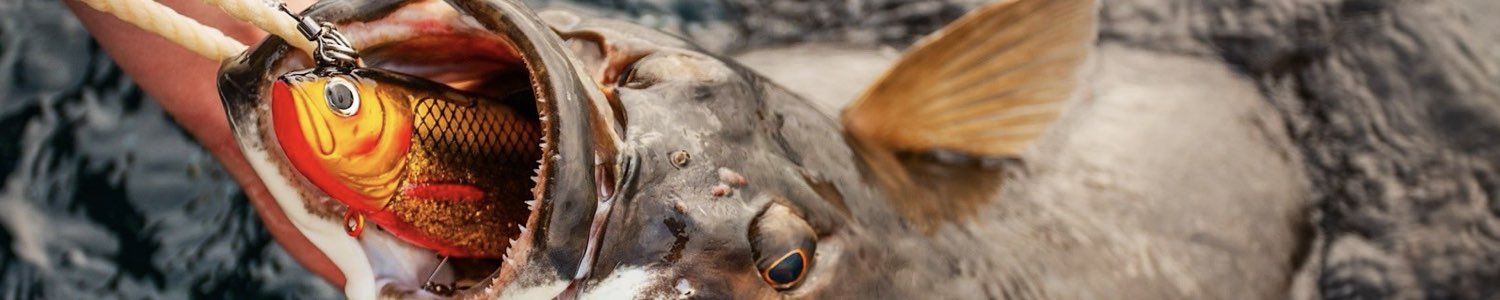
Deep Sea Fishing Lures are designed for fishing in depth, current, drift and from a boat, where the right weight, lure shape, water resistance and contact with the working zone matter more than the lure name alone. This category includes pilks, halibut jigs, fireballs, squid and octopus lures and Tai Rubber / Kabura. Choosing the right lure is not only about picking the heaviest model – it is about keeping the lure where the fish are, based on depth, current, boat drift and target species.

Product sorting
Brands
List of products
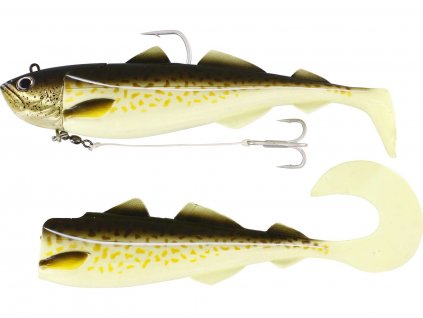


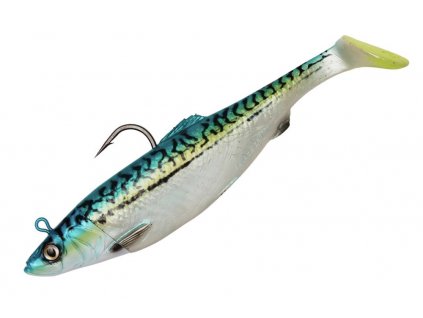
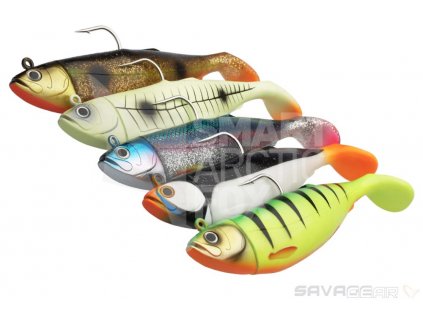
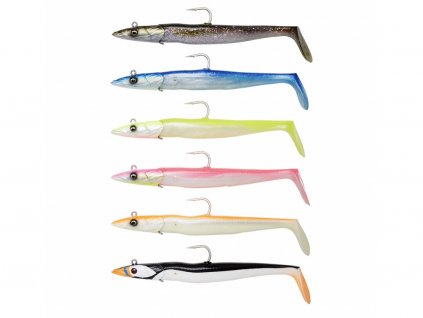
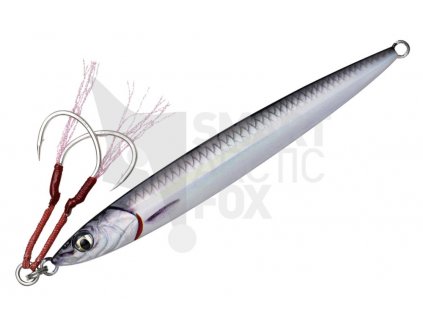


Deep Sea Fishing Lures are made for situations where you fish in deeper water, in current, during boat drift or vertically below the boat. They are not simply heavier versions of regular saltwater lures. In deep water, the most important factors are the right combination of weight, lure shape, water resistance, current, drift and contact with the lure. The goal is not always to use the heaviest lure, but to choose a lure you can keep in the correct working zone.
This category works as a decision guide for deeper saltwater fishing. It includes pilks, halibut jigs, fireballs, ready-to-fish squid and octopus lures and specific vertical lures such as Tai Rubber / Kabura. Each of these lure types has a different role, action and retrieve style. That is why it does not make sense to choose only by colour, price or weight without considering the conditions.
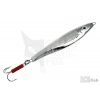
Pilks are one of the classic lure types for saltwater boat fishing. They are useful for searching through water layers, fishing in drift, working near the bottom or through the water column, and they often make sense for cod, coalfish, pollack and other saltwater predators. Slimmer and more compact pilks reach depth faster and handle current better. Wider models may have more action, but they also create more water resistance.
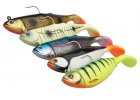
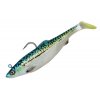
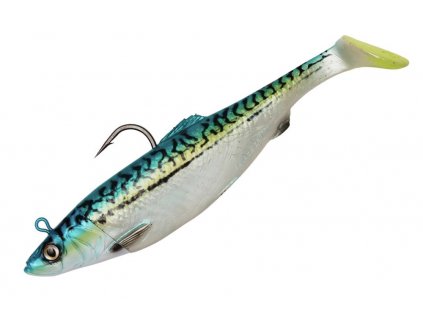
Halibut jigs are more targeted lures with a larger profile, soft body or baitfish silhouette. Compared to a classic pilk, they often work in a more natural and slower way, which can make sense when targeting larger fish. In Norway, they are used mainly for halibut, large cod, coalfish and other saltwater predators depending on the exact size, weight and retrieve style.
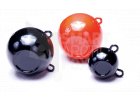
Fireballs have a different logic from pilks or jigs. They are often used with natural bait, fish or meat, when you want to present the bait more accurately below the boat or close to the bottom. This is not about quickly searching large areas of water. It is more about controlled bait presentation in a place where fish are holding or feeding.
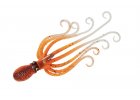
Squid and octopus lures in this part of the range are finished main lures and cephalopod imitations. They are different from rig octopus teasers, which are components for bait rigs. A ready-to-fish squid or octopus lure works as a standalone lure, often with a larger silhouette, softer movement and a different action from a metal pilk or slim soft lure.
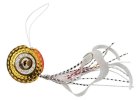
Tai Rubber / Kabura are specific vertical lures with a head, skirt, tentacles and smaller hooks. Compared to classic jigging, they are usually fished more subtly and often with a slower presentation. They can make sense when you want a less aggressive presentation, more precise work below the boat and a different type of movement from a pilk or large soft jig.
When choosing a deep sea lure, weight is important, but weight alone is not enough. Two lures with the same weight can behave very differently in the water. A compact pilk sinks faster and stays more stable in current, while a bulky soft lure or octopus lure creates more resistance and may lift out of the correct layer during a stronger drift. That is why you need to look not only at the number in grams, but also at shape, volume and retrieve style.
An underweighted lure is a common problem in deeper water. The angler may think the lure is fishing near the bottom, while current or boat drift is actually lifting it out of the working zone. On the other hand, a lure that is too heavy is not always ideal either. It can feel dead, overly harsh or lose natural movement in some presentations. The right choice is a balance between depth, current, boat drift, target fish and how actively you want to fish the lure.
In Norway and the North Atlantic, deep sea lures make sense in fjords, around underwater edges, humps, current lines, during boat drift and in more open water. Depending on lure type, common target fish include cod, coalfish, pollack, halibut, ling and tusk. It would not be accurate to say that every deep sea lure is suitable for every fish. Pilks, halibut jigs, fireballs and Tai Rubber each solve a different fishing situation.
Colour also plays a role. In clearer water and good light, natural baitfish colours, silver, blue, green and pearl tones can work well. In deeper water, low light, murky conditions or reduced visibility, glow, UV, contrast colours or a stronger silhouette can help the lure remain readable to fish. In deep saltwater fishing, the point is often not fine visual detail, but whether the lure is visible and understandable in the right water layer.
Deep sea lures also need to match the rest of the setup. Rod power, braided line, leader, fluorocarbon or shock leader all affect how well you feel the lure, how quickly you react to a bite and whether the setup can handle a larger fish. For halibut, large cod or strong current, a strong lure alone is not enough – the whole setup has to make sense.
The Deep Sea Fishing Lures category is therefore intended for anglers who deal with depth, current, boat drift and controlled lure presentation. If you need to search water quickly, a pilk is often the first choice. If you want to work more deliberately for a bigger fish, a halibut jig may make more sense. If you fish with bait or meat, a fireball comes into play. If you want a larger silhouette and softer movement, squid and octopus lures can be useful. And if you are looking for a more subtle vertical presentation, Tai Rubber / Kabura is worth considering.
• Saltwater Lures • Pilks • Halibut Jigs • Squid & Octopus Lures • Fireballs • Tai Rubber / Kabura
Frequently Asked Questions – Deep Sea Fishing Lures
What are deep sea fishing lures?
Deep sea fishing lures are lures designed for deeper water, current, boat drift and vertical saltwater fishing. This category includes pilks, heavier jigs, halibut jigs, fireballs, squid and octopus lures and other lures made for deeper presentations.
What is the difference between a pilk and a halibut jig?
A pilk is usually a compact metal lure used for searching water layers, fishing near the bottom and working in drift. A halibut jig often has a larger profile, soft body or realistic baitfish shape and is used more deliberately for halibut, large cod and other bigger saltwater predators.
When should I use a fireball?
A fireball makes sense mainly when fishing with natural bait, fish or meat. It is used for a more controlled presentation below the boat, near the bottom or in places where you want to offer a more natural bait-based presentation than a classic pilk.
When should I use a squid or octopus lure?
A ready-to-fish squid or octopus lure is useful when you want a larger silhouette, softer movement and a different presentation from a pilk, slim soft lure or classic shad. In deeper water, it can be interesting for slower jigging, controlled drops or drift fishing from a boat.
What is Tai Rubber / Kabura?
Tai Rubber / Kabura is a specific vertical lure style with a head, skirt, tentacles and smaller hooks. Compared to classic jigging, it usually offers a more subtle presentation and can make sense when fish do not react to aggressive lure action.
Which weight should I choose for deep water?
Choose weight according to depth, current, boat drift and lure shape. In deeper water or stronger current, a heavier and more compact lure is often needed. In shallower water or weaker current, a lighter lure with more natural action may work better.
How do I know if my lure is too light?
If you lose contact with the lure, cannot feel where it is working or the current lifts it away from the bottom and the target zone, the lure is probably too light or has too much resistance. A heavier lure, a more compact shape or a change in technique can help.
Why are current and boat drift so important?
Current and boat drift decide how fast the lure sinks, where it actually works and whether you can keep it in the correct layer. The same lure may work well in calm water, but in strong drift it can move out of the zone where fish are feeding.
Which colours work in deep water?
In clear water and good light, natural baitfish colours, silver, blue or green tones can work well. In deeper water, low light or reduced visibility, glow, UV, contrast colours or a stronger silhouette can help the lure stand out.
Are deep sea lures only useful in Norway?
No. They are very important for Norway fishing, but the same principles apply in other saltwater destinations where you fish from a boat, in deeper water, in current or vertically. The right choice always depends on the lure type, target fish and local conditions.
Which fish are commonly caught on deep sea lures?
In Norway and the North Atlantic, deep sea lures are commonly used for cod, coalfish, pollack, halibut, ling and tusk. Each lure type is suited to a different situation, so the best choice depends on depth, current, retrieve style and target fish.