
Halibut jig lures – jigs & softbaits
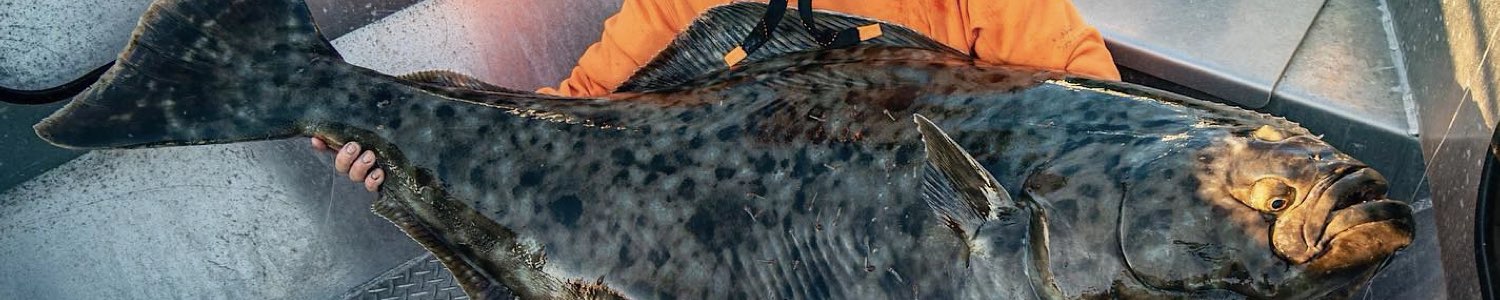
Halibut Jigs & Rippers are large soft lures for sea fishing in Norway, designed for halibut, large cod, coalfish and other powerful saltwater fish. This category includes halibut jigs, big shads, cutbait lures, rippers and eel profiles for fishing near the bottom, just above the bottom, through the water column and during boat drift. When choosing the right lure, size alone is not enough – lure profile, weight, depth, current, tail action, stinger, hook setup and colour all matter.

Product sorting
Brands
List of products


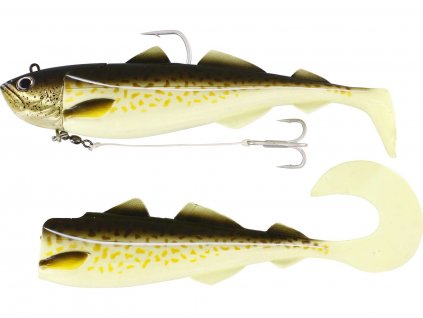
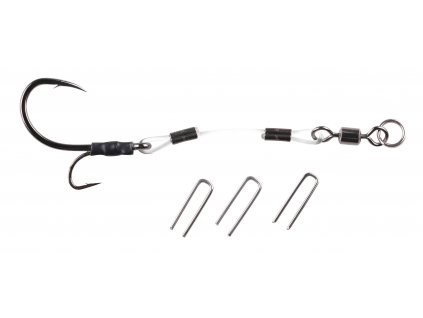
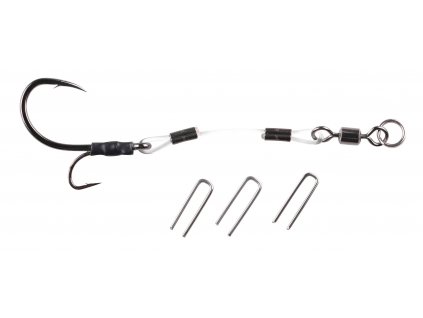
Halibut Jigs & Rippers are specialised large soft lures for sea fishing situations where you need a bigger profile, stronger tackle and better control of the lure. These are not standard soft lures and they are not classic pilks. A halibut jig is usually a stronger softbait with a jig head, fish or eel profile, solid hook setup and often a stinger for better hookup security.
In Norway, these lures make sense mainly for halibut, large cod, coalfish and, depending on the situation, other strong saltwater fish. They are used in fjords, on edges, underwater plateaus, sandy and rocky transitions, current breaks and during boat drift. Typical presentations take place near the bottom, just above the bottom or several metres above it depending on fish activity.
A halibut jig is not just “a big soft lure”. With this type of lure, length, weight, body profile, jig head shape, swimming stability, tail action, sink rate, water resistance, hook, stinger and overall rig strength all play an important role. Two lures with similar length can behave very differently in the water if they have different weight, body volume, balance or profile.
A large shad or ripper with a baitfish profile is a good choice when you want stable swimming action, a visible tail movement and a clear silhouette of larger prey. It can work well for halibut, large cod and coalfish when you need to keep the lure controlled but still give it enough action. Smaller and lighter versions can be useful for more active fishing, while heavier models keep better contact in deeper water or stronger current.
A cutbait profile, such as a herring-style or wounded baitfish imitation, has a different role. It is usually bulkier, offers a larger meal and often works well during drift and slower presentation. It makes sense when you do not want to search the water quickly, but instead want to present a stable, visible and easy-to-read profile to halibut or large cod.
An eel profile or long-bodied lure adds a completely different silhouette to the selection. The extended body and different movement can act as a trigger when fish ignore a classic baitfish shape. This profile is worth trying especially with slower retrieves, boat drift or when you need to show the fish something different from a standard shad.
There is also a major difference between a lure around 20 cm and larger models around 25 cm. It is not only a smaller and larger version of the same idea. A longer lure gives a bigger silhouette and a more selective meal, but it also requires the right tackle, weight and control. In the same way, the difference between 270 g and 460 g is not just a number on the package – the heavier version helps in depth, current and faster drift, while the lighter lure may look more natural in shallower water or weaker current.
That is why choosing only by length or colour is not enough. In practice, the key question is whether you can keep the lure in the working zone. An underweighted jig can be lifted by drift or current and fish outside the bottom zone, even when the angler thinks everything is right. A jig that is too heavy is not automatically better either – it can look harsh, reduce natural movement and weaken the presentation when that much weight is not needed.
The retrieve of a halibut jig is usually slower and more controlled than aggressive pilking. Slow lifts from the bottom, short rod movements, controlled drops, pauses and drifting presentations just above the bottom are often important. Faster work through the water column can make sense for active coalfish or cod, but when targeting halibut more directly, the lure should remain readable, stable and under control.
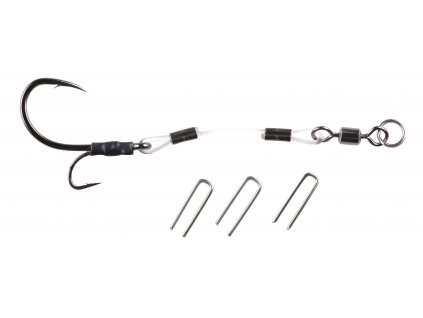
The stinger is an important part of many large halibut jigs. Halibut or large cod do not always attack a long soft lure perfectly from the head. On larger baits, an additional hook can improve hookup security, but it must be positioned correctly. A poorly placed or overly tight stinger can restrict the body action, damage the lure or make the presentation less natural. With larger fish, it is also worth checking hooks, split rings, swivels and leader strength before the first drop.
Colour has its role, but it will not save the wrong weight or poor presentation. Natural patterns imitating herring, mackerel, coalfish or general baitfish make sense in clearer water and better visibility. Glow, UV, pink, orange, chartreuse or stronger contrast can help in deeper water, low light, stained water or when you need the lure to stand out more. With halibut, silhouette, stable swimming action and controlled presentation are often more important than fine colour detail.
Large halibut jigs should also be separated from other sea fishing lures. A pilk is a metal lure for faster searching and active work through the water column or near the bottom. A speed jig is a fast metal lure for more aggressive vertical jigging. A soft lure or smaller sandeel-style lure is usually finer, slimmer or used in a wider range of lighter situations. A fireball jig or bait head is used with natural bait such as fish, fillet or meat. A halibut jig, by contrast, is a ready-made or assembled artificial softbait with a larger profile and a clear role in fishing for bigger saltwater predators.
In this category, you will find lures and model ranges with a clear practical purpose in halibut fishing. Savage Gear Cutbait Herring makes sense as a larger cutbait / herring profile for drift and slower presentation. Savage Gear 4D Herring Big Shad is a strong baitfish profile for halibut, large cod and situations where you want the stable action of a big soft lure. Conger Eel or similar eel profiles bring a different silhouette that can make the difference when a classic fish shape is not working. Westin Crazy Daisy Jig and similar sea jigs expand the selection with additional ready-made lures for halibut, cod and strong saltwater fish.
Halibut Jigs & Rippers are therefore for anglers who choose by conditions, not only by the biggest lure in the box. The right choice depends on depth, current, boat drift, target fish, prey size, lure action, colour and hook setup. When these things work together, a large halibut jig is not just a piece of soft plastic with a head – it is a lure selected for a specific situation at sea.
• Deep Sea Lures • Pilks & Speed Jigs • Vertical Fireballs • Sea Fishing Rigs • Saltwater Lures
Frequently Asked Questions – Halibut Jigs
What is a halibut jig?
A halibut jig is a large soft sea fishing lure with a jig head, designed mainly for halibut, large cod, coalfish and other strong saltwater fish. It usually has a strong baitfish or eel profile, solid hook setup and often a stinger.
What is the difference between a halibut jig and a pilk?
A pilk is a metal lure used for active fishing, fast sinking and searching through the water column or near the bottom. A halibut jig is a soft lure with a larger profile and softer movement, offering a more natural imitation of larger prey.
What is the difference between a halibut jig and a fireball jig?
A halibut jig is an artificial soft lure. A fireball jig or bait head is mainly used to present natural bait such as fish, fillet or meat. The halibut jig imitates prey; the fireball presents real food.
What is the difference between a halibut jig and a regular soft lure?
A regular soft lure is usually finer, lighter or slimmer and can be used in many lighter situations. A halibut jig is heavier, stronger and often fitted with a more powerful hook or stinger. It is made for bigger fish, deeper water, boat drift and heavier tackle.
What size jig should I choose for halibut?
Choose the size according to target fish, depth, current and natural prey size. Models around 17–20 cm are often more versatile and easier to use in shallower water. Larger lures around 25 cm and above offer a bigger silhouette and make sense when targeting larger halibut or when fish react to bigger prey.
Which weight should I choose for depth and current?
The weight must match depth, current strength, boat drift and lure resistance. A lighter jig can look more natural in shallower water or weaker current. A heavier jig gives better contact in deeper water, stronger current or faster drift.
When should I use a 20 cm lure and when a 25 cm lure?
A lure around 20 cm is usually more versatile and can also be effective for large cod or active coalfish. A 25 cm lure gives a larger silhouette and a bigger meal, so it makes sense when targeting larger halibut or when fish respond to bigger prey.
When should I choose a cutbait profile?
Choose a cutbait profile when you want a bulkier baitfish shape, slower presentation and a larger meal. It is useful during drift, bottom-focused fishing and situations where halibut or large cod respond better to a stable, readable lure than to fast movement.
When should I choose an eel profile?
An eel profile has a longer body and a different silhouette than a classic shad. It makes sense when fish ignore a standard baitfish shape or when you want a slower and different presentation. It can be an effective trigger for halibut and large cod.
Is a stinger necessary on a halibut jig?
Not always, but it often makes sense on larger and longer lures. A stinger can help when fish attack the rear part of the bait and can reduce missed bites. It must be positioned so it does not restrict the natural action of the soft body.
How should I fish a halibut jig?
Most halibut jigs are fished slowly and under control near the bottom or just above it. Slow lifts, short rod movements, controlled drops, pauses and drift presentations are common. Aggressive jerking is not always the best choice, especially when targeting halibut more directly.
At what depth should I fish halibut jigs?
It depends on the location, current, boat drift, season and fish activity. Halibut jigs can be used in shallower areas, on edges and in deeper water. The key is not only the depth number, but whether you can keep contact with the lure and hold it in the working zone.
Which colours work for halibut in Norway?
In clear water, natural patterns such as herring, mackerel, coalfish, silver and blue-green tones often make sense. In depth, low light or reduced visibility, glow, UV, pink, orange, chartreuse or stronger contrast can help the lure stand out.
Does scent or dip make sense?
Scent or dip can help as an additional detail, especially when fish follow, test or bite carefully. It will not replace the right weight, lure profile, retrieve and hook setup. With large jigs, treat scent as fine-tuning, not as the main solution.
Are halibut jigs also suitable for large cod?
Yes, many halibut jigs also work for large cod and, depending on the situation, coalfish as well. It is still important to choose the right size, weight and retrieve style. Not every large jig is ideal for every fish or every depth.
What leader should I use with a halibut jig?
Large halibut jigs require a strong leader, durable split rings, quality swivels and strong hooks. The exact leader diameter depends on the tackle, depth, lure size and target fish. With big halibut, weak terminal tackle is often a bigger problem than the soft lure itself.
Are these lures only suitable for Norway?
No. They make the most sense in Norway because of halibut, large cod and boat fishing conditions, but similar large softbait jigs can also be used in other saltwater destinations where anglers target larger predators in depth, current or from a boat.