
How to choose a snap for lure fishing
A fishing snap is a small component, but it can affect lure action, lure changes, rig strength and confidence during a fight. Learn when to use a snap without swivel, when a snap swivel makes more sense and how to choose the right size for your lure, target fish and fishing style.
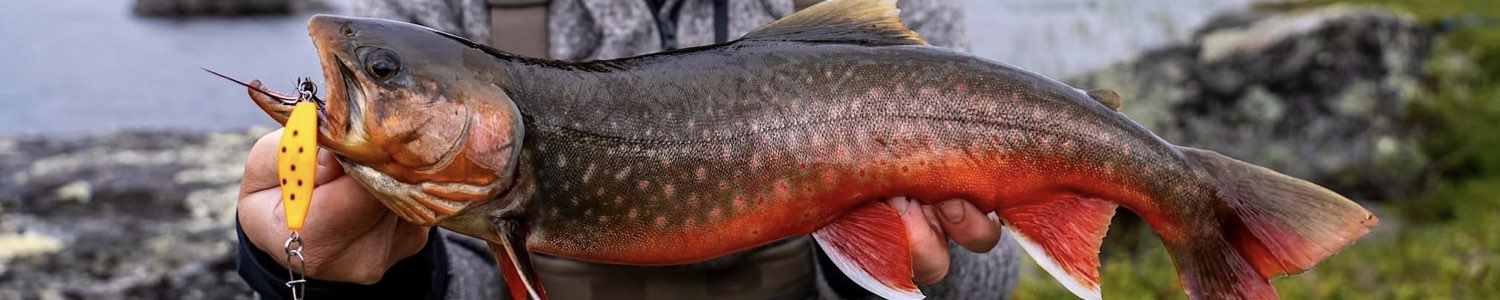
A snap for lure fishing may look like a small detail, but it holds together an important part of the whole setup. It connects your line, leader or trace to the lure and also determines how quickly you can change wobblers, soft lures, jig heads, twitchbaits, smaller jerkbaits or other lure fishing setups.
That is why it makes sense to look beyond breaking strength. Shape, size, surface finish, elasticity and the choice between a snap without swivel, snap swivel, split ring, solid ring or direct knot all matter. When you fish quality lures or more expensive setups, it makes no sense to save money on the connector that can become the weakest point of the whole rig.
In this article, we will look at how to choose a snap for lure fishing in practice. As a concrete example, we will use BKK Duolock Snap-51 – a duolock snap without swivel that makes sense mainly when you want to change lures quickly without adding an unnecessary swivel to the setup.
Why a fishing snap is not just a cheap detail
In lure fishing, anglers often focus on the rod, reel, braided line, fluorocarbon, lure or hooks. The snap is often the last item in the basket. Yet this small component can decide whether the lure works naturally, whether you can change it quickly and whether the connection holds during a hard strike or a powerful fight.
A cheap or poorly chosen snap can cause several problems: rough surface, poor elasticity, weak closing, oversized profile or a shape that restricts lure movement. With small wobblers, perch lures or lighter zander fishing, an oversized snap can change the action of the lure. With pike or heavier lure fishing, the opposite can be the problem – a snap that is too light can become an unnecessary risk.
A good snap is therefore not only about breaking strength. The key is the right combination of size, shape, smooth surface, elasticity and intended use.
What is a duolock snap and why is it used in lure fishing?
A duolock snap is a type of snap designed for quick lure attachment and removal. Compared with some heavier snap styles, it has a cleaner and more lure-oriented profile, and in the right size it interferes less with lure action. That is why it is commonly used with wobblers, twitchbaits, smaller jerkbaits, soft lures on jig heads and other lures that anglers often change during a session.
The advantage of the duolock shape is simple: it allows fast lure changes without constantly retying knots. This is especially useful when you are searching for active fish, changing colours, switching running depth or testing different lure sizes.
In the correct size, the snap still gives the lure enough freedom of movement. This is particularly important with wobblers and other hardbaits, where a snap that is too heavy or badly chosen can disturb the natural action of the lure.
Practical example: a duolock snap without swivel
BKK Duolock Snap-51 is a standalone snap without swivel. This is the key difference compared with BKK Duolock Snap Swivel-51, which combines a snap with a swivel.
A snap without swivel is mainly about a clean and quick connection between the leader and the lure. It makes sense where the lure does not normally rotate and where you do not want to add an extra metal component. Typical examples are wobblers, twitchbaits, soft lures on jig heads or smaller jerkbaits.
With the Snap-51, BKK uses quality stainless steel, precise shaping, tempering and a smooth surface finish. In practice, this means it is not just a simple cheap connector, but a well-made terminal tackle component for anglers who want confidence in the link between line, leader and lure.
Stainless steel is important where the snap is used often, comes into contact with water and has to handle repeated stress. In saltwater lure fishing, corrosion resistance becomes even more relevant. After fishing in saltwater, it is still a good habit to rinse terminal tackle with freshwater and let it dry properly.
A smooth surface matters for a different reason. Any sharp point, rough edge or poorly finished area can stress monofilament, fluorocarbon or braided line over time. With a quality snap, we do not want only strength, but also clean finishing without unnecessary aggressive edges.
Snap, snap swivel or direct knot?
One of the most common mistakes is treating all snaps and swivels as the same thing. In reality, every connection type has its place.
A snap without swivel is suitable when you want to change lures quickly but do not need to solve rotation. Typical use includes wobblers, twitchbaits, soft lures on jig heads, smaller jerkbaits or lure types that do not tend to twist the line continuously.
A snap swivel makes sense when the lure can roll, spin or twist the line. Typical examples are rotating metal lures, some rigs with higher torsional load or any setup where the swivel has an active function.
A direct knot has its place when you want the cleanest and lightest possible connection without any metal hardware. Some anglers prefer it for finesse jigging, small soft lures or very cautious fish. The disadvantage is clear – every lure change means tying a new knot.
Split rings and solid rings are used more as system components. Split rings are found on many wobblers and metal lures. Solid rings make sense in stronger rigs, leaders or situations where you want a strong round connection point.
The practical rule is simple: if you often change lures and do not want to add a swivel, use a quality snap. If line twist is the problem, use a snap swivel. If you want the most minimal presentation possible, tie directly.
How snap size affects lure action
When choosing a snap, breaking strength is not enough. Size is just as important. The snap must be strong enough for the fish and lure, but it should not be unnecessarily large.
An oversized snap can change the balance and action of small wobblers, micro lures, perch setups or lighter lure fishing. The lure can then behave less naturally, lose part of its action or feel too heavy at the nose.
A snap that is too small may not provide enough safety margin. This matters with pike, larger soft lures, hard strikes, stronger tackle or fishing around obstacles.
For finesse lure fishing, use the smallest reasonable size. For pike, larger lures and heavier fishing, do not go too close to the limit.
Recommendations by fish and lure type
| Fishing type | Lure type | Recommended connection | Role of a snap without swivel |
|---|---|---|---|
| Perch | small wobblers, small soft lures, light hardbaits | small snap without swivel or direct knot | quick lure changes without unnecessary extra hardware |
| Zander | soft lures on jig heads, twitchbaits, smaller wobblers | snap without swivel or direct knot | practical when changing soft lures, wobblers and jig head weights |
| Pike | larger wobblers, jerkbaits, soft lures | stronger snap or leader with suitable terminal connection | makes sense in a larger size according to lure weight and load |
| Asp | wobblers, twitchbaits, fast-retrieved hardbaits | snap without swivel; if the lure rotates, use snap swivel | quick lure changes while actively searching for fish |
| Trout | small minnows, small crankbaits, finesse hardbaits | small snap or direct knot | use only a subtle size so it does not restrict lure action |
| Saltwater lure fishing | smaller pilkers, hard lures, lures without strong rotation | snap or snap swivel depending on lure action | stainless steel and quality finishing make sense in harsher conditions |
When to use a snap without swivel and when to choose another component
A snap without swivel makes the most sense when you want to change lures quickly and do not want to add a swivel to the setup. This is typical in lure fishing where anglers switch between wobblers, soft lures, twitchbaits, smaller jerkbaits or jig heads during the session.
On the other hand, if you fish a lure that rotates and twists the line, a snap swivel will be a better choice, for example BKK Duolock Snap Swivel-51. If you build stronger leaders, saltwater rigs or need a dedicated rotating connection point, standalone swivels or rings in the BKK snaps & swivels category can also make sense.
With heavier saltwater rigs, larger lures or leaders for truly powerful fish, you often move beyond a standard lure fishing snap. In that case, the whole setup must be considered as one system: hook, ring, swivel, leader material and lure.
Why quality terminal tackle matters in the setup
A quality snap, swivel or ring is not an isolated accessory. It is part of a wider system of connecting and terminal tackle components. Snaps, swivels, rings, single hooks, treble hooks and other parts must match the level of the lure and the whole setup.
If you use quality soft lures, jig heads, saltwater lures or more expensive wobblers, it makes no sense to finish the setup with a cheap no-name snap. This is where quality terminal tackle fits naturally into the SAF ecosystem – together with SAF PLASTI-X, jig heads, saltwater terminal tackle, BKK hooks and components and other parts for modern lure fishing and saltwater fishing.
The goal is not to use the biggest and strongest component every time. The goal is to choose the right connection for the right lure, target fish and fishing style.
Frequently asked questions – snaps for lure fishing
When is a snap without swivel the better choice?
A snap without swivel is suitable when you want to change lures quickly but do not want to add an extra swivel. Typical use includes wobblers, twitchbaits, soft lures on jig heads, smaller jerkbaits or other lures without strong rotation.
When should I use a snap swivel?
A snap swivel makes sense with lures or rigs that can twist the line. Once the lure starts rolling or rotating, the swivel has a clear function in the setup.
Can a snap affect wobbler action?
Yes, it can. If the snap is too large or too heavy, it can change the movement of a smaller lure. With wobblers and finesse lure fishing, choose the smallest reasonable size with enough strength.
Does a snap make sense with soft lures on jig heads?
It depends on your fishing style. If you often change soft lures, jig head weights or colours, a snap can be very practical. If you want the cleanest possible connection and do not change lures often, a direct knot is also a common choice.
What snap should I use for pike?
For pike, you need to think about larger lures, hard strikes, sharp teeth and the overall strength of the setup. Choose a strong enough size and do not use a subtle snap intended for light perch or trout fishing.
Is stainless steel suitable for saltwater use?
Stainless steel makes sense for harder use and saltwater lure fishing. After fishing in saltwater, it is still recommended to rinse metal components with freshwater and let them dry.
Why not use only the cheapest snaps?
Cheap snaps can bring a higher risk of poor finishing, sharper edges, weak elasticity or unreliable closing. With quality lures and stronger fish, it pays to use a connection you can trust.
Summary
A snap for lure fishing is not just a small accessory. It affects lure changes, lure action and the safety of the whole setup. A snap without swivel makes sense when you want quick lure changes, a cleaner lure fishing setup and no need to solve lure rotation.
If you are not sure whether you need a snap, snap swivel or another type of terminal tackle, start with the BKK snaps & swivels category or the general snaps and swivels category. Choosing the right connector is a small step that can make a real difference on the water.