
Single hooks
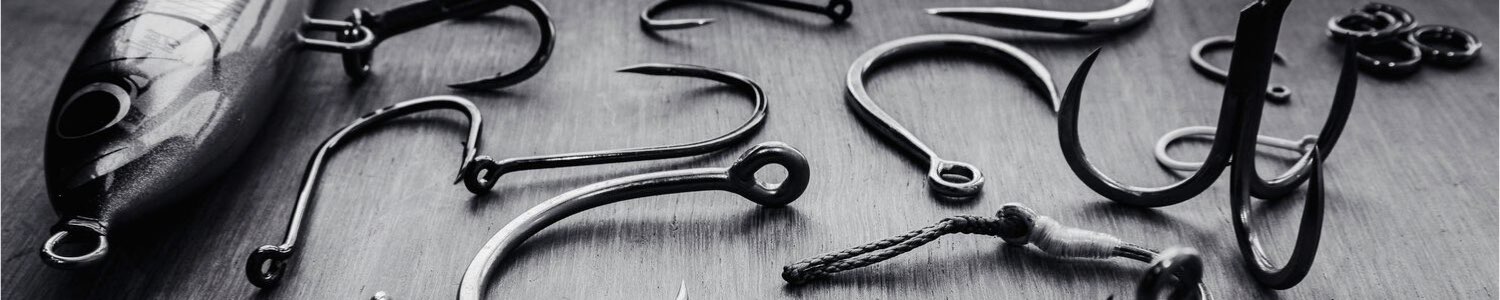
Saltwater hooks for Norway, tropical big game fishing and strong rigs with natural and artificial baits. Choose the right hook type for halibut, cod, ling, tuna, sharks, pilkers, jigs, dead bait, live bait and lure hook replacement.


Product sorting
Brands
List of products




Saltwater hooks are not just a small detail in a rig. The right hook decides how the bait works, how the fish takes it, how the hook sets and whether the whole setup can handle pressure from a strong fish in saltwater. In this category, you will find sea fishing hooks for natural bait, pilkers, jigs, hard lures, big game fishing and heavy rigs for Norway and other saltwater destinations.
At SAF rybolov, we treat the Saltwater hooks category as a practical guide. The goal is not to choose the “best looking” hook, but the right hook type for the job. A fish fillet for halibut needs a different hook than a pilker for cod, a live bait setup for tropical fishing or a replacement hook on a hard lure. The basic logic is simple: bait, technique, target fish and rig strength.
The biggest difference is between hooks for natural bait and hooks for artificial lures. When fishing with fish fillets, pieces of mackerel, herring, dead bait or whole baitfish, hook strength, gap size, hook shape and the way the hook sets are the key details. With pilkers, jigs, poppers, stickbaits and wobblers, the main focus is different – lure action, split ring compatibility, assist hooks, trebles or replacement single hooks.
For sea fishing in Norway, saltwater hooks are especially important when targeting halibut, cod, ling, hake, pollack, coalfish and wolffish. For fish fillets, dead bait and halibut rigs, strong single hooks, dead bait hooks or specialised circle hooks make sense. For pilking and jigging, assist hooks are often the better choice, while hard lures and lure hook upgrades usually involve trebles or replacement single hooks.
Circle hooks are only one type of saltwater hook in this wider category. They are mainly used for natural bait, dead bait, live bait, drift fishing and large fish where the hook works through steady pressure. The detailed explanation of their principle, correct use, sizes and application for halibut, tuna or sharks belongs in the separate Circle Hooks category. Here, the important point is that a circle hook is not a universal replacement for every sea fishing hook.
Artificial lures require a different approach. Pilkers, speed jigs and slow jigs often work better with assist hooks, which allow the lure to move more freely and place the hook in a better position during the take. Poppers, stickbaits, wobblers and other hard lures are usually fitted with trebles or replacement single hooks. That is why it makes sense to keep the general Saltwater hooks category separate from the specialised Assist hooks and Treble hooks categories.
Saltwater hooks also have a strong overlap with tropical and big game fishing. For tuna, sharks, amberjack, grouper, GT, tarpon or billfish, the right hook again depends mainly on the bait and technique. Live bait, dead bait, chunking and drift fishing usually call for different hooks than popping, stickbaiting or trolling with artificial lures. Tropical fishing is not an exception to the rule – it simply confirms it: first the use, then the hook type.
The technical side matters as well. When choosing saltwater hooks, pay attention to wire strength, point sharpness, hook gap, eye size, saltwater coating and overall construction strength. With heavier leaders, a larger eye or a shape that works well with knots and crimping can be important. For big game and drift rigs, a ringed or swivel hook may make sense where the rig needs better movement or reduced leader twist.
Choose hook size according to the real size of the bait and the whole rig. A small fillet needs a different hook than a large dead bait for halibut or a live bait setup for tropical fishing. Hook sizes are not always directly comparable between brands, so do not look only at the number on the packet. Real hook shape, gap width, wire strength, point style and the space the hook has in the bait all matter.
In the SAF rybolov range, you will find both practical working saltwater hooks and premium models for more demanding use. If you want to choose by brand, continue to the BKK category. If you are dealing with natural bait, dead bait, live bait and steady-pressure hook sets, continue to Circle Hooks. For pilkers and jigs, the Assist hooks category is the right place. For hard lures, topwater lures and hook replacement, continue to Treble hooks.
If you are looking for saltwater hooks, do not start only with hook size or brand name. Start with what you are fishing with, how you are fishing and what fish you are targeting. That is the safest way to choose the right hook type – whether you are building a halibut rig, fishing natural bait in Norway, upgrading hooks on a lure, preparing a jigging setup or choosing stronger hooks for tropical big game fishing.
• Circle Hooks • BKK • BKK single hooks • Assist hooks • Treble hooks • Fluorocarbon leaders • Natural bait rigs • Saltwater terminal tackle • Saltwater lures
Frequently Asked Questions – Saltwater Hooks
How do I choose a saltwater hook?
Choose a saltwater hook according to the bait, fishing technique, target fish and rig strength. A fish fillet, pilker, hard lure, live bait or dead bait setup all require a different hook type.
What hook should I use for halibut?
For halibut, strong single hooks, circle hooks or dead bait hooks are commonly used depending on the rig and bait size. For fish fillets, whole baitfish or halibut rigs, the hook needs enough strength, the right shape and enough room to set properly.
What hook should I use for fish fillets or natural bait?
For fish fillets, pieces of mackerel, herring or other natural bait, dead bait hooks, strong single hooks or circle hooks usually make sense. The right choice depends on bait size, rig style and whether you want a classic strike or a steady-pressure hook set like with a circle hook.
What is the difference between a circle hook and a classic hook?
A classic hook is usually set with an active strike. A circle hook works differently – the fish takes the bait, the rig comes under pressure and the hook gradually turns into position. Detailed selection and use are covered in the separate Circle Hooks category.
When should I use an assist hook?
Assist hooks are mainly used with pilkers, jigs and vertical saltwater lures. They help place the hook in a better position during the take and often allow the lure to move more naturally than a fixed hook. For this type of use, continue to the Assist hooks category.
When should I use a treble hook?
Treble hooks are mainly used on hard lures, wobblers, poppers, stickbaits and when replacing factory hooks on saltwater lures. For natural bait fishing with fillets or dead bait, a single hook or circle hook often makes more sense.
What hook should I use for a pilker or jig?
Pilkers and jigs are often fitted with assist hooks, or sometimes suitable single hooks or trebles depending on lure type. A circle hook is usually not ideal for an actively worked pilker or jig, because it is mainly designed for natural bait and steady pressure.
How do I choose the right hook size?
Choose the hook size according to the bait size, not only the target fish. A small fillet needs a smaller hook than a large dead bait or live bait. Hook sizes can vary between brands, so look at the real shape, gap width and wire strength as well.
Are BKK hooks suitable for heavier saltwater fishing?
BKK is one of the premium hook and terminal tackle brands for saltwater fishing, jigging and big game use. If you want to choose directly by brand and model range, continue to the BKK or BKK single hooks category.
What hook should I use for tuna or sharks?
For tuna and sharks, the fishing technique is the key. Live bait, dead bait, chunking and drift fishing often use circle hooks, live bait hooks or strong big game single hooks. With artificial lures, trebles, replacement single hooks or assist hooks are more common.
How are saltwater hooks different from regular hooks?
Saltwater hooks need better resistance to corrosion, heavier loads and harder fights. Wire strength, point quality, coating and overall construction matter more. For large fish, a sharp point alone is not enough – the hook must survive the whole fight and the movement of the rig.