
Switch Rods
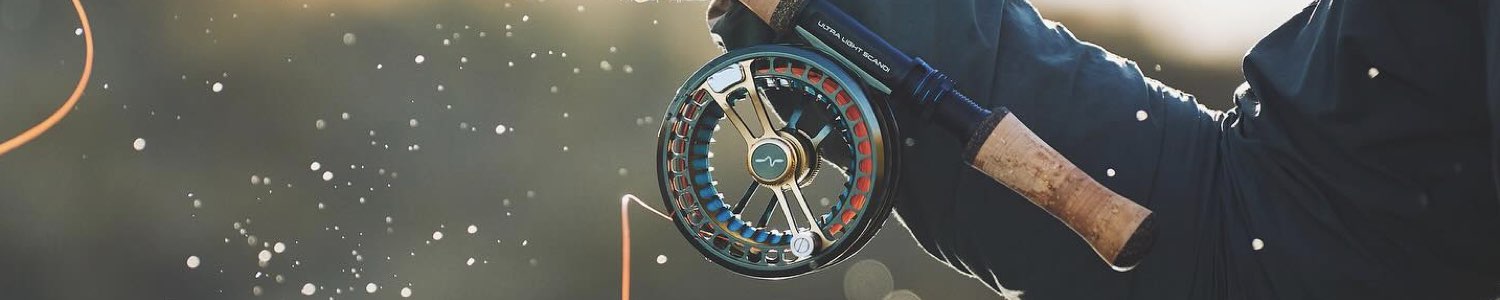
Switch rods sit between single hand and double hand fly rods. They make sense for sea trout, light salmon fishing, larger trout, streamers, sink tips, Spey-style casting and situations where a single hand rod starts to feel limited but a full double hand setup is more than you need.


Product sorting
Brands
List of products




Listing controls
Switch rods are a specific type of fly rod positioned between classic single hand rods and full double hand rods. Their strength is not that they are “good for everything”. A switch rod makes sense in specific situations: when you need more reach, better line control, Spey-style casting options, the ability to handle heavier heads or sink tips, but you do not want a full-length two-handed setup.
The easiest way to understand a switch rod is this: use it when a single hand rod starts to feel limited, but a double hand rod would be too long, heavy or unnecessary. This can be light salmon fishing, sea trout rivers, medium-sized rivers, larger trout, steelhead-style situations, heavier streamers, travel fishing and places where there is not enough room behind the angler for a classic overhead cast.
A switch rod is not just a longer single hand rod. Compared with a one-handed rod, it gives better control of longer lines, heavier heads, sink tips and Spey-style casts. At the same time, it is not the same as a full double hand rod. Compared with a true Spey or salmon rod, it is shorter, lighter and easier to handle on medium water where extreme distance is not the main goal.
The most important part of any switch setup is the fly line. With switch rods, the line weight written on the rod is only part of the story. Grain weight, head length, running line, tip choice, fly size and casting style all matter. A poorly matched line is one of the most common reasons why a switch rod feels heavy, inaccurate or difficult to load.
Switch rods are commonly used with Scandi heads, Skagit heads, integrated switch lines, shorter shooting heads, sink tips, polyleaders or versileaders. A Scandi setup is usually better for cleaner presentation, longer smooth casts and small to medium flies. A Skagit setup makes more sense for heavier flies, bigger streamers, sink tips and situations where you need to move weight with limited backcast space.
This is why switch rods are so interesting for anglers who want to enter the world of Scandi, Skagit and Spey-style casting without immediately moving into a full double hand setup. A switch rod can be a shorter route into controlled river fishing with heads, tips and larger flies. It can handle roll casts, single Spey, double Spey, snake roll and snap T / snap C casts, especially when space behind the angler is limited.
For European and travel-focused anglers, switch rods are especially relevant for sea trout, smaller salmon rivers, light salmon fishing, steelhead-style situations, larger trout, heavy streamers and technical river fishing. For delicate trout and grayling fishing on smaller waters, a classic single hand rod will usually be a better choice. For big salmon rivers, heavy tips and long systematic swinging, a full double hand rod will often make more sense.
The current technical backbone of this category is Guideline switch rods. Guideline has a strong Scandinavian background in switch, ULS, Scandi and compact two-handed casting systems. At SAF, however, this category is not meant to be only a brand page. The main goal is to explain the technique, the rod choice, the line system and the real situations where a switch rod belongs.
A switch rod should always be chosen by water, target species, fly size, tip choice and casting style. A lighter switch setup for sea trout or smaller rivers is not the same as a stronger setup for heavier heads, sink tips and larger flies. If you are not sure, the safest way is to choose the rod together with the correct head, line, tip and a reel with enough capacity.
• Single Hand Fly Rods • Double Hand Fly Rods • Saltwater Fly Rods • Fly Fishing Kits • Fly Lines • Fly Rods
Frequently Asked Questions – switch rods
What is a switch rod?
A switch rod is a fly rod positioned between single hand and double hand rods. It can be used with one-handed and two-handed techniques and is designed for better line control, shorter heads, tips and Spey-style casts. It is not simply a long single hand rod or a short double hand rod, but a separate tool for specific fishing situations.
When should I choose a switch rod?
Choose a switch rod when you need more reach, better line control, limited-backcast casting options or the ability to fish heavier heads, sink tips or larger flies. Switch rods are useful for sea trout, light salmon, larger trout, heavy streamers, steelhead-style fishing and travel situations.
What is the difference between a switch rod and a single hand rod?
A single hand rod is usually better for precise presentation, smaller waters, trout, grayling, nymphing and standard streamer fishing. A switch rod offers more reach, better line control, Spey-style casting options and better use with heavier heads or sink tips.
What is the difference between a switch rod and a double hand rod?
A double hand rod is longer and built mainly for larger rivers, salmon, long casts, Scandi, Spey and Skagit systems. A switch rod is shorter, lighter and more practical on medium water. It gives part of the two-handed advantage while staying easier to handle and less demanding than a full double hand setup.
What line should I use on a switch rod?
The right line is critical. Switch rods can be used with integrated switch lines, Scandi heads, Skagit heads, shorter shooting heads, sink tips, polyleaders or versileaders. The best choice depends on the rod, grain window, fly size, water type and casting style.
Scandi or Skagit for a switch rod?
A Scandi setup is usually better for smoother casting, cleaner presentation and small to medium flies. A Skagit setup is better for heavier flies, larger streamers, sink tips and situations where you need to cast weight with limited space behind you.
Are switch rods good for sea trout?
Yes. A switch rod can be an excellent tool for sea trout, especially on larger rivers, coastal travel situations and places where you need more reach, line control or the ability to fish streamers and tips efficiently.
Are switch rods good for salmon?
Yes, mainly for light salmon fishing and smaller to medium salmon rivers. For large rivers, heavy sink tips and long systematic swinging, a full double hand rod is usually the better option.
Is a switch rod suitable for beginners?
For a complete beginner on small trout waters, a single hand rod or a matched fly fishing kit is usually easier. A switch rod is better for anglers who already understand basic line handling and want to move into Spey-style casts, travel fishing, sea trout, light salmon or larger river situations.
Can SAF help me choose a switch rod and line?
Yes. With switch rods, matching the rod, head, line, tip and reel is very important. If you are not sure which setup to choose, contact us. We can help you build a switch rod setup according to water, target species, fly size, casting style and real use.