
Guideline Single Hand Fly Rods
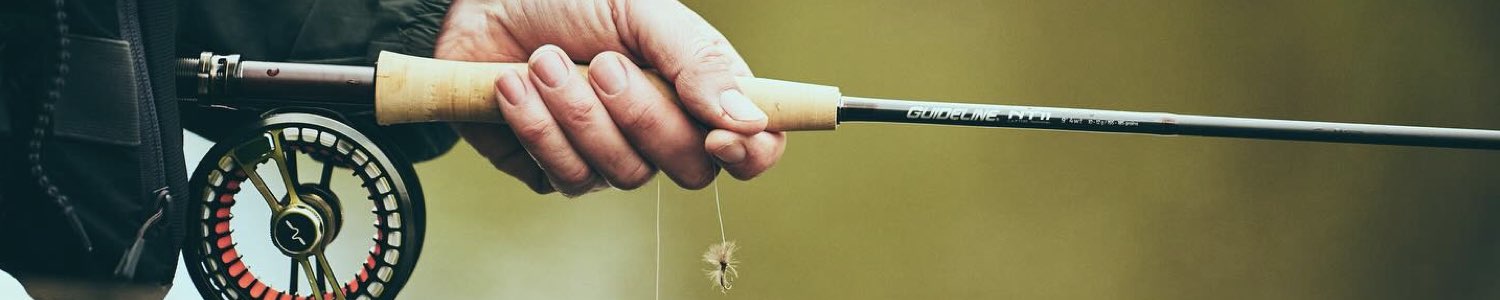
Guideline single-hand fly rods cover a wide range of modern fly fishing – from delicate trout fishing on smaller waters through nymphing, lake fishing and tactical river setups to coastal and saltwater fly fishing. At SAF, we build this category around Guideline because their rods, fly lines, reels and leader systems create a logical complete setup for a precisely chosen style of fly fishing.


Product sorting
Brands
List of products




Listing controls
Single-hand fly rods are one of the key foundations of modern fly fishing. They are used for trout, grayling, sea trout, pike, perch and many other species depending on rod length, line weight, blank action and the type of fly line used. A correctly chosen single-hand fly rod does not only affect casting distance, but also accuracy, fly presentation, line control, contact with the fish and comfort during a full day on the water.
At SAF, we build this category primarily around Guideline, because in single-hand fly fishing it makes sense to choose the rod as part of a complete system. The rod itself is only one part of the setup. To work properly, it needs to match the right fly reel, fly line, leader system, presentation style and the type of water you fish most often. Guideline has a very broad and logical range in this area – from delicate trout and brook rods through nymphing and tactical models to powerful coastal and saline rods for harder conditions.
Guideline single-hand rods should not be selected only by price or by a general line weight number. Each series has a different role. Lighter models are suitable for dry fly fishing, delicate presentation, smaller rivers and technical trout or grayling fishing. Nymph rods use extra length, sensitivity and leader contact to help the angler read takes and control flies precisely through the water column. Universal river rods offer more space for dry fly, small streamers, classic nymphing and everyday trout fishing.
Stronger single-hand rods become important when you fish larger flies, longer casts, wind, lake lines, coastal fishing or saltwater. Models such as Coastal and Saline are aimed at situations where the rod must handle fast fly lines, greater fly resistance, harder takes and a more demanding environment. This matters not only in saltwater fly fishing, but also when targeting larger fish where a standard trout rod does not provide enough power, reserve or durability.
One of the main advantages of Guideline single-hand fly rods is that they cover very different fly fishing styles without feeling like a random assortment. The Elevation series offers an excellent entry into quality modern fly fishing. LPX models bring more precise specialization for nymphing, coastal fishing, tactical work or higher-performance all-round use. NT11 represents the premium level for anglers who want low weight, fast blank recovery, higher accuracy and a very refined rod feel.
When choosing a single-hand fly rod, the best starting point is where you will fish most often. A small stream, mountain river, classic trout river, lake, coast or saltwater environment all require a different type of rod. The fishing style is just as important – dry fly, nymphing, streamer fishing, lake fishing, coastal fishing or an all-round travel setup. These details should guide the choice of rod length, line weight and the specific Guideline model series.
Our goal is not to offer an anonymous list of fly rods, but to help build a functional setup. With Guideline rods, we also look at the connection to the right fly line, reel size, blank character, target fish and real fishing situation. A well-chosen single-hand fly rod should be a precise tool for a specific style of fishing, not a compromise without a clear role.
• Fly reels • Fly lines • Double-hand fly rods • Guideline
Frequently Asked Questions – Guideline Single Hand Fly Rods
Why do we focus mainly on Guideline single-hand fly rods?
Guideline has a very broad and logically connected range for modern fly fishing. It is not only about the rods themselves, but also about fly lines, reels, leaders and other equipment that can work together as one complete system. This makes it easier to build a setup around the water, fishing style and target species.
Which single-hand fly rod should I choose for trout fishing?
For general trout fishing, the right rod depends mainly on the size of the water and the type of flies you use. Smaller rivers and delicate presentation usually call for a lighter rod, while larger rivers, streamers or lake fishing often require a stronger model. Line weight is important, but rod length, blank action and fly line type matter just as much.
What is the difference between a nymph rod and an all-round single-hand rod?
A nymph rod is usually longer, more sensitive and built for better contact with the leader when controlling flies through the water column. An all-round rod is a more balanced option for dry fly fishing, small streamers, classic nymphing and general river fishing. If you mainly fish euro nymphing, a dedicated nymph rod makes much more sense.
When should I choose a stronger single-hand fly rod?
A stronger rod is useful for larger flies, wind, longer casts, lake lines, coastal fishing or saltwater. In these conditions, the rod needs more reserve power, faster energy transfer and better line control. A delicate trout rod would be too limiting in this type of fishing.
Are Guideline single-hand rods suitable for sea trout and saltwater?
Yes. Selected Guideline series are designed specifically for coastal and saltwater fly fishing. These rods are suitable for sea trout, coastal fishing, larger streamers and situations where wind, fast fly lines and a more demanding environment are part of the game. For this style of fishing, it is important not to choose a rod that is too soft or too light.
Is line weight alone enough when choosing a fly rod?
No. Line weight is important, but it does not tell the whole story. Rod length, blank action, recommended fly line type, fishing style and the environment where you fish are just as important. Two rods with the same line weight can feel and perform very differently in practice.
Why should I choose the rod together with the fly line and reel?
A fly rod works best when it is matched with the right fly line and reel. The wrong fly line can completely change how the rod behaves, an unsuitable reel can affect the balance of the setup, and a leader that is too weak or too strong can reduce presentation quality. That is why it makes sense to choose the whole setup together.