
Coatings Paints
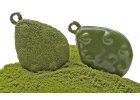
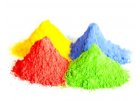
Lead coating paints for anglers and lure makers who want to coat jig heads, pilkers, cheburashka weights, carp leads and other fishing sinkers with a clean, durable finish. This category includes powder paints for fast coating of smaller lead castings and rubberized coatings for lead for tougher use. The final result depends not only on the paint itself, but also on lead preparation, preheating, the fluid bed and a stable air source.


Product sorting
Brands
Colour
List of products





Lead coating paints are an important part of making and finishing fishing weights, jig heads, cheburashka weights, pilkers and other lead castings. The goal is not only to make the casting look better. The right coating can improve camouflage, highlight a lure, create a cleaner surface and, with tougher coating types, extend the life of the finish when the lead is used over rocks, hard bottom or in saltwater.
At SAF, this category is built as a practical guide to the whole lead coating system. The paint itself is only one part of the final result. It also matters whether you use a powder paint or a rubberized coating, what size casting you are coating, how you preheat the lead, which fluid bed you use and whether your air source is stable enough. This combination decides whether the coating will be clean, even and repeatable.
The basic difference is between powder paints for lead and rubberized coatings for lead. Powder paints are fast, simple and very useful for smaller jig heads, cheburashka weights, sinkers and standard fishing leads. Rubberized coatings are more demanding in terms of airflow and setup, but they make sense where higher mechanical durability is important – for example on sea fishing pilkers, end weights, carp leads, backleads or sinkers used over rocks, gravel and hard bottom.
Powder paint for lead is the most practical choice for quick home coating. A preheated lead casting is dipped briefly into fluidized paint or coated using another suitable method. The powder melts onto the surface and creates a coloured layer. On smaller castings, the work is fast, clean and easy to repeat when the temperature is correct. This is why powder paints are often used for jig heads, smaller cheburashka weights, carp leads and standard fishing sinkers.
Rubberized coating for lead is the better choice when you expect more from the surface than just colour. The finished layer is tougher and handles harder use better. This matters on weights that hit rocks, work in saltwater, drag over hard bottom or are used repeatedly in demanding conditions. Rubberized coating is heavier than fine powder paint, so it requires a stronger and more stable airflow.
For jig heads, powder paint and a smaller fluid bed setup are usually enough. With cheburashka weights, the choice depends on size and use – smaller weights can be coated simply, while larger cheburashka weights for harder terrain may make more sense with a rubberized finish. With pilkers and sea fishing weights, surface durability becomes more important because contact with rocks, edges and seabed is usually much harder than in standard freshwater use.
For carp leads, backleads and end weights, camouflage also plays an important role. Natural green, brown, black, sand, gravel and camo shades help the lead blend into the bottom. Powder paint is a fast way to create a coloured finish, while rubberized coating makes more sense when you want a tougher surface and longer-lasting protection during regular use.
An important part of working with lead coating paints is the fluid bed. Inside a fluid bed, air lifts the coating material and makes it behave like a fine fluid layer. A preheated casting enters this layer more evenly than with ordinary dipping in a cup. The result is usually cleaner, especially around edges, eyes, curves and more detailed shapes.
The small fluid beds are best for smaller castings and fine powder paints. Medium-sized fluid beds offer a more stable body and more working space for cheburashka weights, smaller pilkers and standard sinkers. Larger steel fluid beds are better for pilkers, sea fishing weights, longer castings and more regular work. For longer pilkers and elongated weights, an extension cup can also make sense because it increases the working height of the fluid bed.
The air source is just as important. Smaller air pumps are suitable mainly for small fluid beds and very fine powder paints. Stronger air pumps provide more airflow reserve and work better with powder paints in larger setups. For regular work with rubberized coatings, larger paint volume and stable performance, a stronger compressor is usually the best choice.
For a good result, start with a clean casting. The lead should be dry, degreased and free from dirt, oxidation or release-agent residue. Before coating, the casting is preheated so the paint can melt properly onto the surface. Practical temperatures and curing times vary depending on the coating type, casting size and layer thickness, so it is always important to watch how the specific coating behaves and avoid overheating the lead unnecessarily.
When working with lead, powder materials and hot castings, basic safety matters. Work in a well-ventilated area, avoid breathing dust, use tools dedicated only to workshop work and never use cookware intended for food. Wash your hands after work and keep the working area clean. A good finish starts with the right method, but also with safe and clean handling.
• Lead Casting • Fluid Beds • Lead Melting Pots • Fishing Molds • Brass Swivels
FAQ – lead coating paints
What is the difference between powder paint and rubberized coating for lead?
Powder paint is faster and easier to apply. It is suitable mainly for jig heads, smaller cheburashka weights, sinkers and standard fishing weights. Rubberized coating for lead requires more stable airflow, but creates a tougher surface for harder use.
When should I choose powder paint?
Choose powder paint when you want to coat small to medium lead castings quickly and cleanly. It makes sense for jig heads, small sinkers, smaller cheburashka weights, carp leads and regular home batches where speed and simplicity matter.
When does rubberized coating for lead make sense?
Rubberized coating makes sense for lead castings that take more abuse. Typical examples include pilkers, sea fishing weights, larger cheburashka weights, carp leads, backleads and sinkers used over rocks, gravel or hard bottom.
Do I need a fluid bed?
Some smaller castings can be coated with simpler methods, but a fluid bed greatly improves coating consistency. Air lifts the paint, allowing the preheated lead to pick up the coating more evenly, especially on edges and more detailed shapes.
Which fluid bed should I choose?
For small castings and fine powder paints, a compact fluid bed is usually enough. For cheburashka weights, smaller pilkers and more stable work, choose a medium fluid bed. For larger pilkers, sea fishing weights and longer castings, a larger fluid bed with more working space makes more sense.
What air pump or compressor do I need?
For fine powder paints and small fluid beds, a smaller air pump may be enough. For larger fluid beds or harder-to-fluidize powder paints, stronger airflow is useful. For rubberized coatings, larger paint volume and regular coating work, a stronger compressor is recommended.
Why is the coating not fluidizing in the fluid bed?
The most common reasons are weak airflow, incorrect air regulation or coating material that is too heavy for the air pump. Fine powder paints require less air, while rubberized coatings need stronger and more stable airflow.
How should I prepare lead before coating?
The casting should be clean, dry and degreased. Grease, oxidation, release-agent residue or loose dirt can reduce adhesion and cause patchy coverage, clumps or peeling later.
What temperature should I preheat the lead to?
In practice, lead is often preheated roughly around 160–200 °C, but the exact temperature depends on casting size, coating type and desired layer thickness. A small jig head heats up much faster than a large pilker or heavy sinker.
Do I need to oven-cure the coating?
For many coatings, oven curing is useful because it improves surface durability. A common working range is around 180 °C for 10–20 minutes, but the exact values depend on the coating used, the casting size and the manufacturer’s recommendation.
Are lead coating paints suitable for sea fishing?
Yes. For sea fishing pilkers and weights, you should expect harder use, saltwater and repeated contact with the seabed. For this type of fishing, rubberized coating and a more stable fluid bed setup often make more sense.
Can I coat carp leads and backleads?
Yes. Natural, brown, green, black, sand and camo shades are popular for carp leads because they blend better with the bottom. Rubberized coatings are useful when you want a tougher surface and better long-term protection.
Can I use one fluid bed for multiple colours?
Yes, but if you change colours often, extra cups or separate containers are more practical. Residue from the previous colour can affect the final shade, especially with light, bright or metallic finishes.
What should I do if the coating peels, cracks or forms clumps?
Check surface preparation, casting temperature, dipping time and airflow. Lead that is too cold will not pick up the coating properly, overheated lead can create a thick layer, and poorly adjusted airflow can cause uneven application.