
Lead melting pots
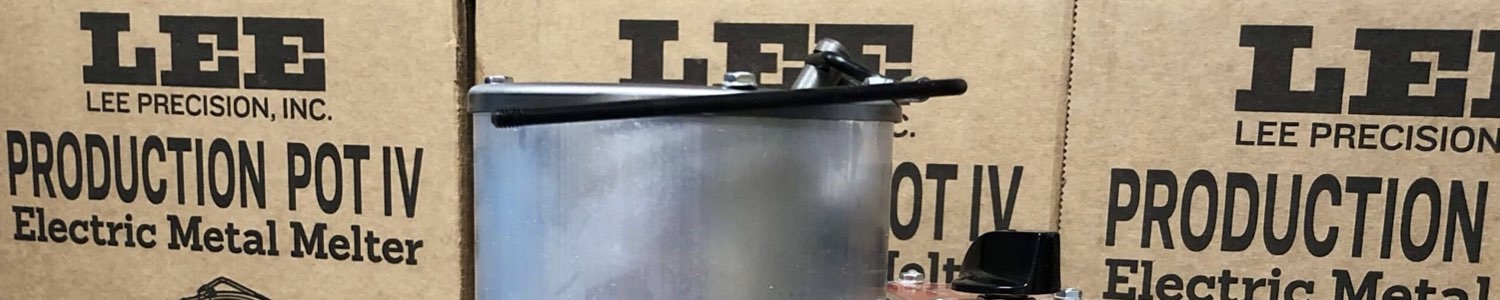
Lead melting pots, electric lead melters, lead ladles and accessories for making fishing sinkers, jig heads, cheburashka weights, pilkers, carp leads and other lead castings. This category covers equipment for melting lead, working with bottom pour pots or ladle casting, keeping the melt cleaner, controlling temperature and preparing lead for safe and repeatable casting into fishing molds.


Product sorting
Brands
List of products





Lead melting pots are the core equipment for anglers and lure makers who want to cast jig heads, cheburashka weights, pilkers, carp leads, end weights or other lead fishing castings. This category is not only a list of melting devices. It is a practical guide to the whole lead casting process – from choosing the right type of lead pot to ladle casting, bottom pour work, melt cleanliness, temperature control and safe handling of molten lead.
The right setup depends mainly on what you want to cast and how often you plan to work. A small home setup for occasional jig heads or a few cheburashka weights is very different from a workshop setup for larger sinkers, pilkers or molds that consume more lead. That is why it makes sense to choose the equipment by casting method, casting size and working volume, not only by brand or pot capacity.
The main difference is between a bottom pour lead pot and a lead melting pot used with a ladle. A bottom pour pot is useful mainly for repeated casting of smaller and medium-sized lead parts, where the mold can be filled quickly and consistently from the lower spout. This makes sense for jig heads, smaller cheburashka weights and selected fishing sinkers where speed, repeatability and controlled flow matter.
Ladle casting is more flexible when you want to control the amount of molten lead manually or when you work with larger castings. A lead ladle is especially useful for pilkers, larger carp leads, sea fishing weights and molds that need a larger volume of lead poured in one controlled movement. It is not a worse or better system by itself – it is a different method for different molds and casting styles.
A simple lead pot or compact electric lead melter is suitable for beginners, smaller batches and basic home lead melting. It allows you to melt a smaller amount of lead and work with a ladle. The advantage is simple handling and lower entry complexity. If you plan to cast more regularly or want to speed up work with smaller molds, a more stable melting pot or a bottom pour system can make more sense.
Larger lead melting pots and lead casting pots are better for anglers who work with more lead, cast larger fishing weights or need a longer working time without constantly adding material. Higher capacity is useful for pilkers, sea fishing sinkers, larger carp leads and more regular workshop use. On the other hand, a larger volume means longer heat-up time and greater responsibility when handling molten lead.
Melt cleanliness is an important part of lead casting. Oxides, dross and dirt can collect on the surface of molten lead and reduce casting quality. They can also create problems in bottom pour pots, where the spout and valve system are more sensitive to contamination. With clean lead, removing dross mechanically may be enough. With dirtier material or longer casting sessions, lead flux can help collect impurities into a layer that can be removed from the surface.
Temperature control has a direct effect on casting quality. Lead melts at approximately 327 °C, but in real casting work the operating temperature is usually higher so the metal flows properly into the mold. If the melt is too cold, details may not fill correctly and the casting surface can suffer. If the melt is unnecessarily overheated, oxidation, dross formation and safety risks increase.
The temperature control on a lead pot is useful, but it does not always show the exact temperature of the melt itself. For more regular work, a lead casting thermometer is a valuable tool. It helps you understand how your melting pot reacts when lead is added, how stable the temperature is during work and which temperature range works best for a specific mold. Small jig heads need smooth flow and consistent filling, while larger pilkers and sinkers need more thermal reserve during longer casting sessions.
A practical accessory is also an ingot mold. If you work with scrap lead, larger pieces of material or leftovers from casting, pouring lead into ingots makes storage and later use much easier. Smaller ingots are easier to dose into the pot, melt more predictably and keep the workshop more organized than irregular pieces of lead.
When choosing your equipment, think about the molds you will use. For small jig heads and cheburashka weights, speed and repeatable filling can be important. For pilkers, carp leads and sea fishing weights, volume, manual control and stable temperature may matter more. Some molds are better suited to bottom pour casting, while others are easier to fill with a ladle. The correct setup always starts with the type of lead casting you want to produce.
After casting, the workshop process usually continues with cutting sprues, adjusting wire loops, checking swivels or preparing the surface for coating. That is why lead melting pots naturally connect with fishing molds, brass swivels, wires, lead coating paints and fluid beds. A well-built lead casting setup is not just a pot and a mold – it is a complete workflow from melting to the finished fishing weight.
Safety when working with lead must be taken seriously. Molten lead is a hot metal and requires a well-ventilated workspace, dry material, eye protection, suitable gloves and tools used only for workshop work. Moisture or water in contact with molten lead can cause violent splashing. Never add wet lead, damp scrap or tools with moisture into molten lead.
Lead melting pots are designed for lead, not zinc. Zinc has a much higher melting point than lead and can cause problems with the melt, the mold and the final casting quality. Simply put: use lead pots for lead and only for material you can identify. If you are not sure what metal you are melting, it is better not to put it into the pot.
• Lead Casting • Fishing Molds • Lead Coating Paints • Fluid Beds • Brass Swivels
FAQ – lead melting pots
How do I choose my first lead melting pot?
Start with what you want to cast. For occasional small batches, a simple lead pot with a ladle can be enough. For repeated casting of smaller lead parts, a bottom pour lead pot makes more sense. For larger sinkers, pilkers and regular workshop use, capacity, temperature stability and controlled pouring become more important.
What is the difference between a bottom pour pot and a ladle setup?
A bottom pour pot fills the mold through a lower spout and is useful for faster repeated casting of smaller and medium lead parts. A ladle setup gives you manual control over the amount of molten lead, which is often better for larger sinkers, pilkers and molds that need more material in one pour.
When should I choose a bottom pour lead pot?
Choose a bottom pour pot when you want to cast many similar pieces quickly and the mold is suitable for filling from a controlled stream of lead. This is common with jig heads, smaller cheburashka weights and some fishing sinkers. Clean melt, correct temperature and spout maintenance are important.
When is ladle casting better?
Ladle casting is better for larger castings, pilkers, carp leads, sea fishing weights and molds where you need more control over the amount of lead. It is also useful when the mold is easier to fill by pouring manually rather than using a bottom spout.
What capacity do I need?
For small jig heads and occasional work, a smaller pot can be enough. For regular casting, larger cheburashka weights, carp leads, pilkers or sea fishing sinkers, higher capacity helps because you add lead less often and the melt temperature stays more stable.
What does lead flux do?
Lead flux helps collect oxides and impurities into a dross layer that can be removed from the surface. Cleaner molten lead improves flow and reduces the risk of defects in the casting. In bottom pour pots, clean melt is especially important because dirt can affect the spout and valve system.
Is it enough to remove dross mechanically?
With clean lead and shorter work, mechanical dross removal may be enough. If the lead is dirtier, the session is longer or you want more consistent melt quality, lead flux can help gather impurities more effectively.
Why should I use a thermometer for lead casting?
A thermometer helps you monitor the real temperature of the melt. The pot setting is often only a guide and may not show the actual temperature of the molten lead. With regular casting, a thermometer helps you find the right range for each mold and casting size.
What temperature should molten lead be for casting?
Lead melts at approximately 327 °C, but the working temperature for casting is usually higher so the metal flows properly into the mold. The exact setting depends on the casting size, mold type, workflow and desired surface quality. Overheating lead unnecessarily is not recommended.
Why does the casting not fill properly?
Common causes include low melt temperature, a cold mold, dirty lead or an unsuitable pouring method. For small details, stable temperature and clean melt help. For larger castings, enough lead volume and a smooth pour are important.
Why can a bottom pour spout drip or clog?
A bottom pour system is sensitive to melt cleanliness, temperature and the condition of the valve mechanism. Oxides, dross or dirt can affect the flow. Clean lead, regular dross removal, correct temperature and suitable maintenance help reduce these issues.
What is an ingot mold used for?
An ingot mold is used to pour lead into smaller, easy-to-store blocks. Lead ingots are easier to store, dose into the pot and remelt later. They are useful when processing larger pieces, scrap lead or leftover material.
Why should zinc not be melted in a lead pot?
Zinc has a much higher melting point than lead and does not belong in lead melting pots. It can affect the melt, create problems in molds and reduce the quality of the final castings. If you are not sure what metal you have, do not add it to the pot.
Why is water dangerous near molten lead?
Water or moisture can turn into steam instantly when it contacts molten lead, causing the lead to splash violently. Lead, tools and molds must be dry. Never put wet material or damp tools into molten lead.
What safety gear should I use?
Use eye protection, suitable gloves, workshop clothing and a well-ventilated workspace. Tools used for lead casting should never be used for food. Wash your hands after work and keep the casting area clean.
How do lead melting pots connect with other workshop equipment?
The melting pot prepares the lead, but the full process continues through fishing molds, wire loops, swivels, sprue cutting and possible surface coating. That is why lead melting pots naturally connect with lead casting, fishing molds, lead coating paints and fluid beds.