
Fluid beds
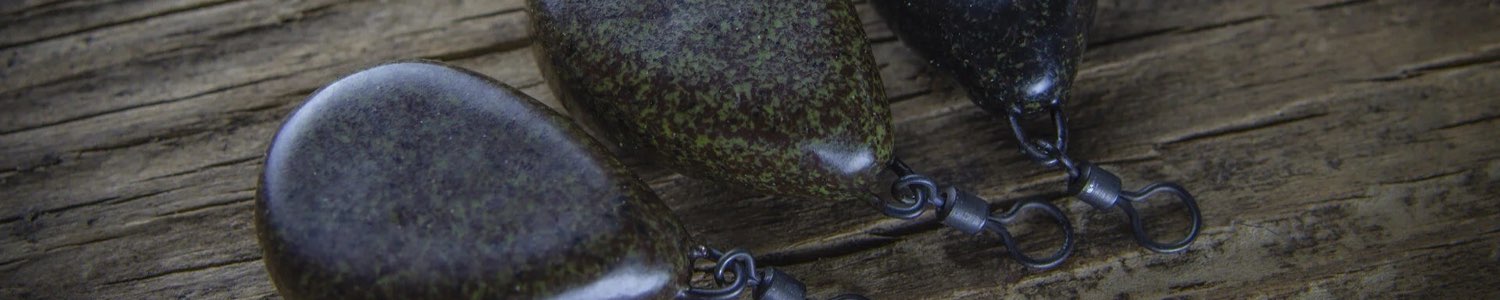
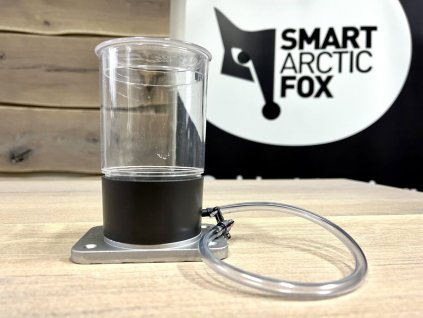
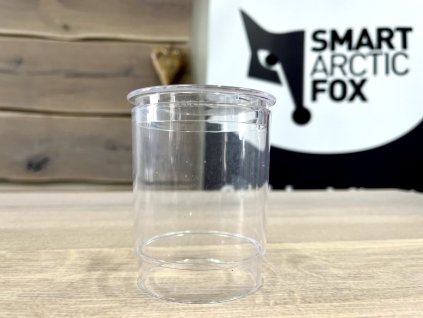
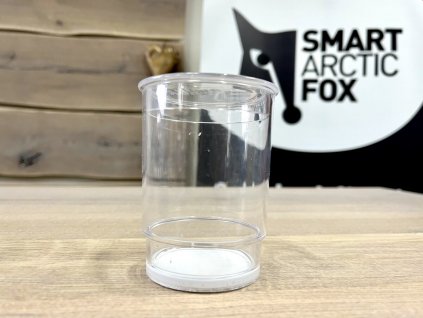
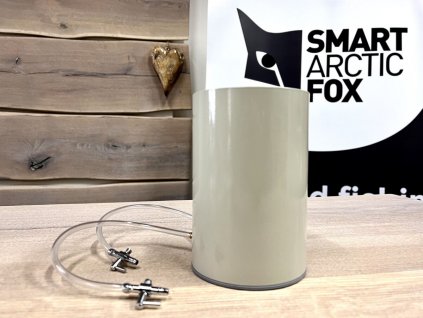
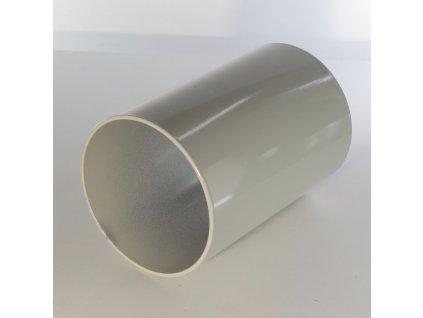
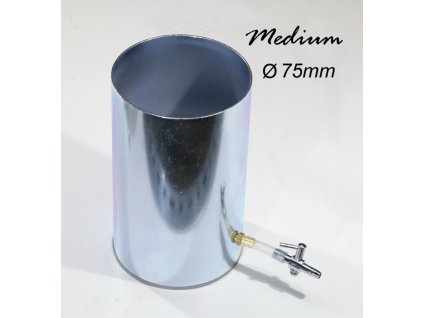
A fluid bed coater is the fastest way to achieve a clean, even and repeatable coating on lead without wasting powder. Works with both powder paint (Komaxit) and rubberized coating – the only difference is how much stable airflow you need.




Product sorting
Brands
List of products

Listing controls
If you paint lead regularly, a fluid bed will save you time, powder and frustration. The idea is simple: airflow “fluidizes” the powder so it behaves like a liquid. You dip pre-heated lead (jig heads, sinkers, pilkers), and the powder bonds evenly – no patches, no clumps, no messy edges.
Powder paint (Komaxit) vs. rubberized coating – what to expect
-
Powder paint / Komaxit is quick and great for smaller jig heads, lighter sinkers and classic carp leads. After curing it looks great, but it’s generally more brittle – heavy impacts on rocks/hard bottom can chip or crack the finish over time.
-
Rubberized coating takes a bit more control (stable airflow matters), but the result is a true workhorse: much higher abrasion resistance and strong protection against oxidation/corrosion in both saltwater and freshwater. Perfect for sea rigs, pilkers and heavy-duty end weights.
How to choose your setup (quick guide)
-
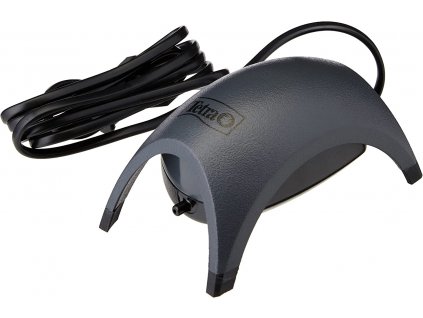
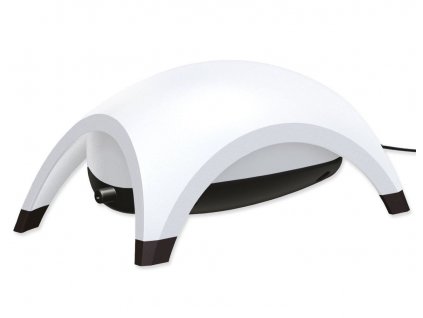
For small items and occasional work: a compact fluid bed + a smaller air pump is enough.
-
For more consistent airflow and frequent use: step up to a stronger pump.
-
For rubberized coating and bigger batches: go with a Hailea compressor + a matching Medium/XL fluid bed for stable performance.
Recommended coating workflow (simplified)
-
Clean & degrease the lead.
-
Pre-heat (often around 160–200 °C, depending on size).
-
Dip in the fluid bed briefly.
-
Tap off excess powder.
-
Oven cure (critical for powder paint; also beneficial for rubberized coating).
-
Let it cool down.
The two biggest factors for durability are surface prep and stable airflow.
FAQ
1) How do I know if I don’t have enough airflow in the fluid bed?
If the powder doesn’t look “fluid” but forms craters, clumps, or behaves like loose sand, you need more (or more stable) airflow. For rubberized coating, stable airflow matters even more.
2) Why do I get uneven spots or patchy coverage?
Most often it’s surface prep (grease/oxidation) or wrong pre-heating. Another common reason is dipping too long — a quick dip is enough.
3) Is a fluid bed suitable for powder paint (Komaxit)?
Yes. A fluid bed works perfectly with powder paint for lead (Komaxit), especially for smaller jig heads and sinkers. Keep in mind powder finishes are generally more brittle than rubberized coating under heavy abuse.
4) When does a Hailea compressor make sense?
When you want strong, stable airflow, coat more frequently, run bigger batches, or use rubberized coating. Consistent airflow is key there, and Hailea gives you performance headroom.
5) Do I need to oven-cure after coating?
For powder paint, oven-curing is highly recommended to improve durability. For rubberized coating, curing also helps the finish hold up better, especially on lead used in harsh conditions.
6) Can I use one fluid bed for multiple colors?
Yes, but you should clean it between colors to avoid contamination. If you switch colors often, having extra cups/adapters is a big time-saver.