
Monofilament Lines for Sea Fishing
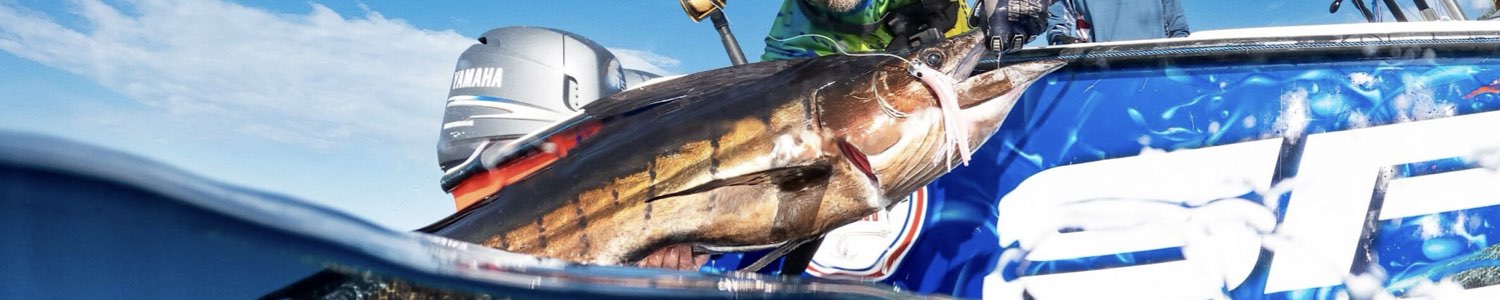
Monofilament lines for sea fishing have a firm place both in building sea rigs and leaders and as a main line for trolling, offshore and tropical setups. In this category you will find leader monofilaments for cold-water sea fishing, stronger lines for robust rigs and longer spools for warm-water fishing and tropical fishing, where stretch, durability and confidence when fighting big fish really matter.





Product sorting
Brands
List of products
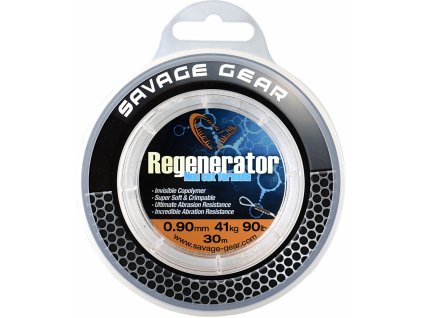
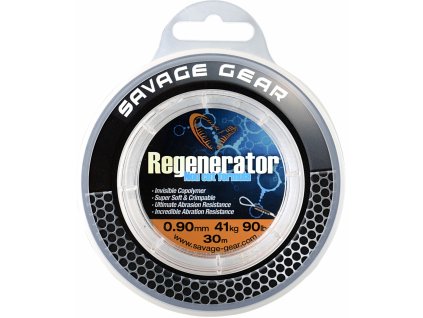
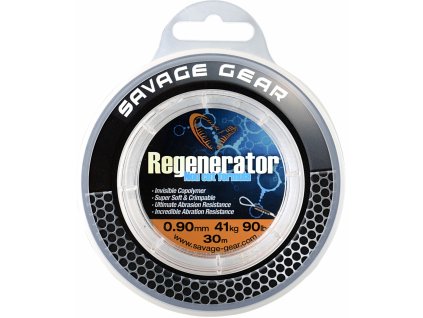
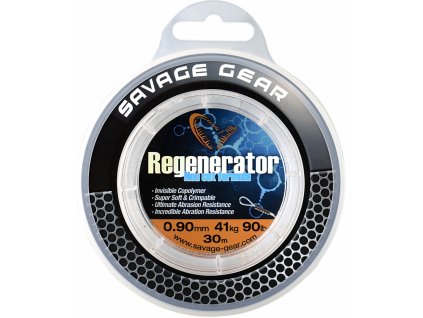
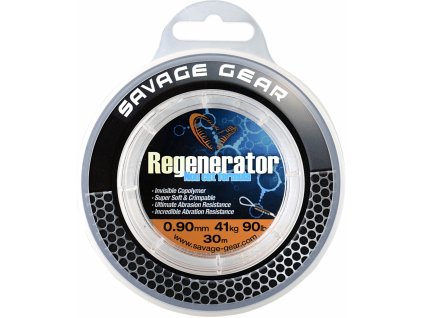
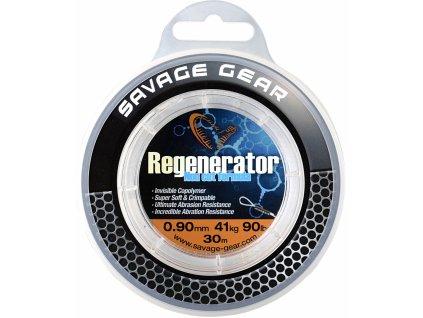
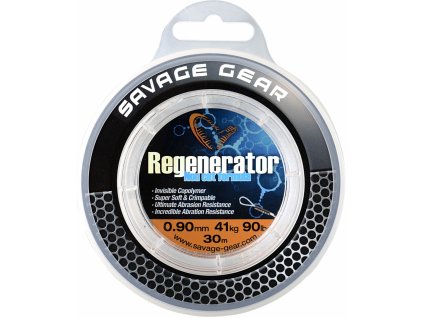
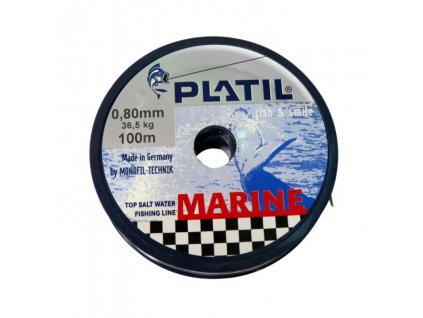
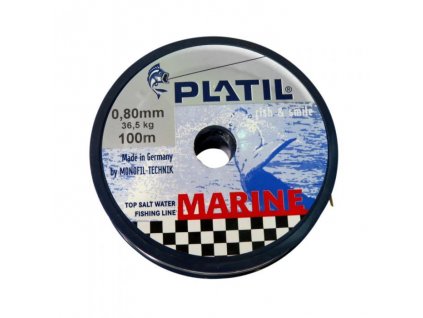
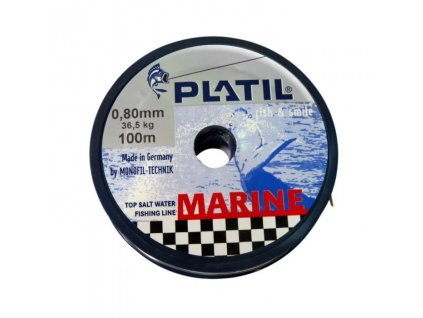
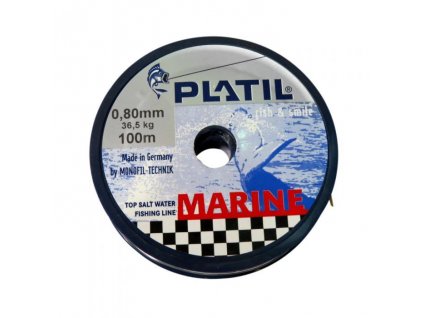
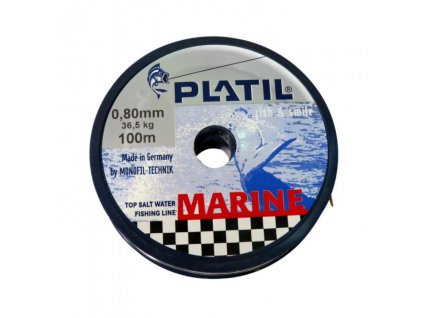

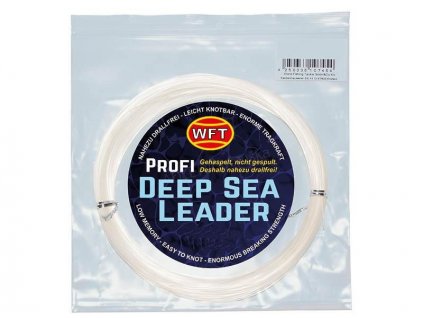
Monofilament has a much wider role in sea fishing than it may seem at first glance. It is not just a basic line for simple leaders, but a material used for building sea rigs, as a leader in front of the lure, and also as a main line on larger reels and conventional reels. That is exactly why this category has its own place on SAF – monofilament solves different situations than braided lines and different ones than fluorocarbons.
The main advantage of monofilament is its stretch. It helps absorb hard runs, protects the rig during aggressive strikes and gives the angler more margin in situations where an overly stiff final section would be a disadvantage. It also works well when tying rigs, is available in strong diameters and, in many applications, makes practical sense as a more cost-effective choice than premium leader materials.
In cold-water sea fishing and Norway, monofilament is very often used as a leader and rig material. Typical applications include classic cod rigs, paternosters, bait rigs, stronger setups for ling or halibut, and various multi-hook systems where a strong, durable and easy-to-tie material is needed. In these applications, monofilament makes sense mainly because it handles mechanical stress well, works more smoothly than braid and helps during the fight thanks to its stretch.
Monofilament is also used in cold-water sea fishing as a leader in front of pilks, jigs and soft lures, especially when the angler wants to soften the final part of the setup a bit and does not necessarily want to use a stiffer fluorocarbon. In light and medium-heavy sea spinning, monofilament works very well as a practical balance of strength, stretch and simple rig building. This matters when fishing for cod, pollock and other species where the setup is under pressure not only during the strike, but also during lure presentation and the fight in the water column.
Monofilament also has a place in situations where fishing is lighter and closer to the surface. Light spinning in cleaner water, shallower areas or techniques where a more natural lure action matters can clearly show the difference between monofilament and a material that is too stiff. In these cases, monofilament helps not only through its stretch, but also by making the whole setup behave in a calmer and more natural way.
Monofilament as a main line plays a very different role in warm-water sea fishing and tropical fishing. Here it is not just about leaders and rigs, but also about longer spools on large reels and conventional reels used for trolling, offshore fishing and other heavy-duty techniques. With large and fast fish, the stretch of monofilament is one of its biggest advantages. It helps absorb violent runs, protects knots and the terminal setup, and behaves very differently over distance than braid.
That is why long monofilament spools are commonly used in setups for tuna, marlin, sailfish, wahoo and mahi mahi. In these situations, monofilament makes sense both as a full spool and as part of a combined setup with another line type. The key point is that, in these applications, monofilament is not only about line strength, but about how the whole setup behaves when fighting a big, fast and extremely powerful fish.
From a practical point of view, it makes sense to separate two main branches of use. The first is leader and rig monofilament for cold-water sea fishing, Norway and classic sea rigs. The second is main monofilament lines and long spools for warm-water fishing, trolling and tropical applications. On paper it may still look like the same material, but in practice it is used differently, in different diameters, different spool lengths and for a different fishing purpose.
Compared with fluorocarbon, monofilament is usually softer, more elastic and more affordable. Compared with braid, it offers much more tolerance during the fight and a calmer overall rig behaviour. That is exactly why it still has a strong place in sea fishing – not as a universally better option for everything, but as a material that is often more practical and functionally better suited to specific situations.
In this category you will therefore find monofilaments for cold-water sea fishing, warm-water fishing and tropical fishing. Whether you are looking for a strong leader material for Norwegian rigs, a leader in front of a lure, or a long spool for a big reel in the tropics, the goal of this category is to help you quickly understand where monofilament makes the most sense and which type of line to choose for your application.
• Saltwater lines • Braided lines • Fluorocarbons
Frequently asked questions – monofilament lines
When should I choose monofilament instead of fluorocarbon?
Monofilament makes the most sense when stretch, smoother rig behaviour and easier rig tying are important. Fluorocarbon is usually the better choice when you want a less visible and stiffer leader material.
When is monofilament used as a leader material?
Most often for sea rigs, paternosters, bait rigs, halibut setups, mackerel systems and various leaders placed in front of pilks, jigs or soft lures.
When is monofilament used as a main line?
Mainly in trolling, offshore and tropical setups, where longer spools are used on larger reels and conventional reels. In these situations, stretch and overall behaviour during the fight with big fish are the key advantages.
Why do saltwater monofilaments often come in long spools?
Because trolling, offshore and tropical fishing require large spool capacity and enough reserve line for long runs and fights with very powerful fish.
Does monofilament make sense for sea spinning too?
Yes. As a leader in front of the lure, it makes sense mainly when you want more stretch, smoother rig behaviour and do not want to use a stiffer fluorocarbon.
Is monofilament suitable for Norway?
Definitely. In Norwegian sea fishing, it has a strong place both in building rigs and as a leader in front of certain lures. The key is simply choosing the right diameter and type for the technique and target species.